
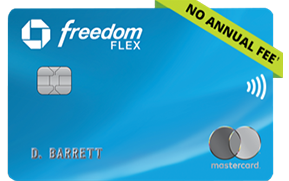
The Chase Freedom Flex is a Visa credit card that implements a rotating bonus category structure. It earns elevated cashback rates in specific spending categories that change every three months.
Chase determines these quarterly categories. Cardholders do not select them. The card also includes fixed bonus rates on travel, dining, and drugstore purchases.
How does the rotating category system work?
Every quarter, Chase announces a new set of spending categories where the card earns 5% cashback. The quarterly periods are January–March, April–June, July–September, and October–December.
The 5% rate applies to up to $1,500 in combined purchases across all active bonus categories per quarter. After reaching the $1,500 cap, purchases in those categories earn 1% for the rest of the quarter. The cap resets on the first day of each new quarter.
Activation Requirement
The bonus categories do not apply automatically. Cardholders must activate the quarterly categories through the Chase website or mobile app before making purchases. Without activation, all purchases earn the base 1% rate.
Activation can be completed any time during the quarter. Once activated, the 5% rate applies retroactively to qualifying purchases made earlier in that quarter.
Recent Quarterly Category Examples
Categories vary by quarter and year. Past examples include:
- Grocery stores, fitness clubs, and spa services
- Amazon.com and select streaming services
- Gas stations and EV charging stations
- Restaurants and hotels
- PayPal, department stores, and home improvement stores
Chase publishes the upcoming quarter’s categories in advance, typically a few weeks before the quarter begins.
What are the fixed bonus categories?
Beyond the rotating structure, the card earns fixed bonus rates on three permanent categories:
- 5% on Chase Travel℠: Purchases made through Chase’s travel booking portal earn 5%.
- 3% on dining: Restaurants, takeout, and delivery services.
- 3% on drugstores: Pharmacies including CVS, Walgreens, and Rite Aid.
All other purchases earn 1% cashback.
How are rewards earned and redeemed?
The Chase Freedom Flex earns rewards as Ultimate Rewards points. Each point equals one cent when redeemed for cashback. The effective value can increase when points are transferred to travel partners, but this requires holding a premium Chase card like the Sapphire Preferred or Sapphire Reserve.
Redemption Options
Points can be redeemed for:
- Statement credits
- Direct deposits to a linked bank account
- Gift cards
- Travel bookings through Chase
- Transfers to airline and hotel partners (with a premium Chase card)
Points do not expire as long as the account remains open.
How does the card generate costs?
The card has no annual fee. Standard costs include interest on unpaid balances and fees on specific transactions.
Interest and APR
The card offers an introductory 0% APR on purchases and balance transfers for 15 months from account opening. After the introductory period, the variable APR ranges from 18.49% to 27.99%, depending on creditworthiness.
Carrying a balance past the due date results in interest charges that can exceed the value of rewards earned.
Foreign Transaction Fee
The card charges a 3% fee on purchases made in foreign currencies or outside the United States. This fee reduces the net value of any rewards earned on international purchases.
Balance Transfer Fee
Balance transfers incur a fee of 3% of the transferred amount or $5, whichever is higher.
Practical Implications of Rotating Categories
The quarterly category system requires cardholders to adjust their spending strategy each quarter to maximize rewards.
Category Mismatch Risk
The categories Chase selects may not align with a cardholder’s spending patterns. A quarter focused on fitness clubs and home improvement stores provides limited value to someone who spends primarily at grocery stores, unless groceries are also included.
Spending Cap Limitation
The $1,500 quarterly cap limits the total bonus cashback to $75 per quarter at the 5% rate. Heavy spenders in bonus categories may exhaust the cap early in the quarter.
Activation Friction
Forgetting to activate results in missed rewards. Chase sends reminders, but the activation step remains a manual requirement.
What are the tradeoffs, risks, and limitations?
- Quarterly cap: The $1,500 limit restricts total bonus earnings regardless of spending volume.
- Activation required: No activation means no bonus. Missed activations cannot be retroactively applied after the quarter ends.
- Foreign transaction fee: The 3% fee makes the card unsuitable for international travel.
- Category unpredictability: Cardholders cannot predict or influence which categories will be active in future quarters.
Regional and Regulatory Frameworks (United States)
The Chase Freedom Flex is a U.S. consumer credit product issued by JPMorgan Chase Bank, N.A. It is regulated under federal consumer protection laws, including the Truth in Lending Act and the CARD Act.
The Visa Signature designation provides certain benefits like rental car insurance and purchase protection. These benefits are standard across most Visa Signature products.
Common Misconceptions
“I earn 5% on everything in bonus categories all year.” The 5% rate applies only to the categories active during the current quarter. A category that earns 5% in Q1 may not be included in Q2.
“The quarterly cap is per category.” The $1,500 cap is combined across all bonus categories. Spending $1,500 at grocery stores exhausts the cap for all Q1 bonus categories.
“I don’t need to activate—Chase does it automatically.” Activation is required every quarter. Purchases made before activation still qualify if activation happens before the quarter ends.
“Points are only worth one cent each.” One cent per point is the standard cashback rate. Points transferred to travel partners through a premium Chase card can yield higher value, depending on the booking.