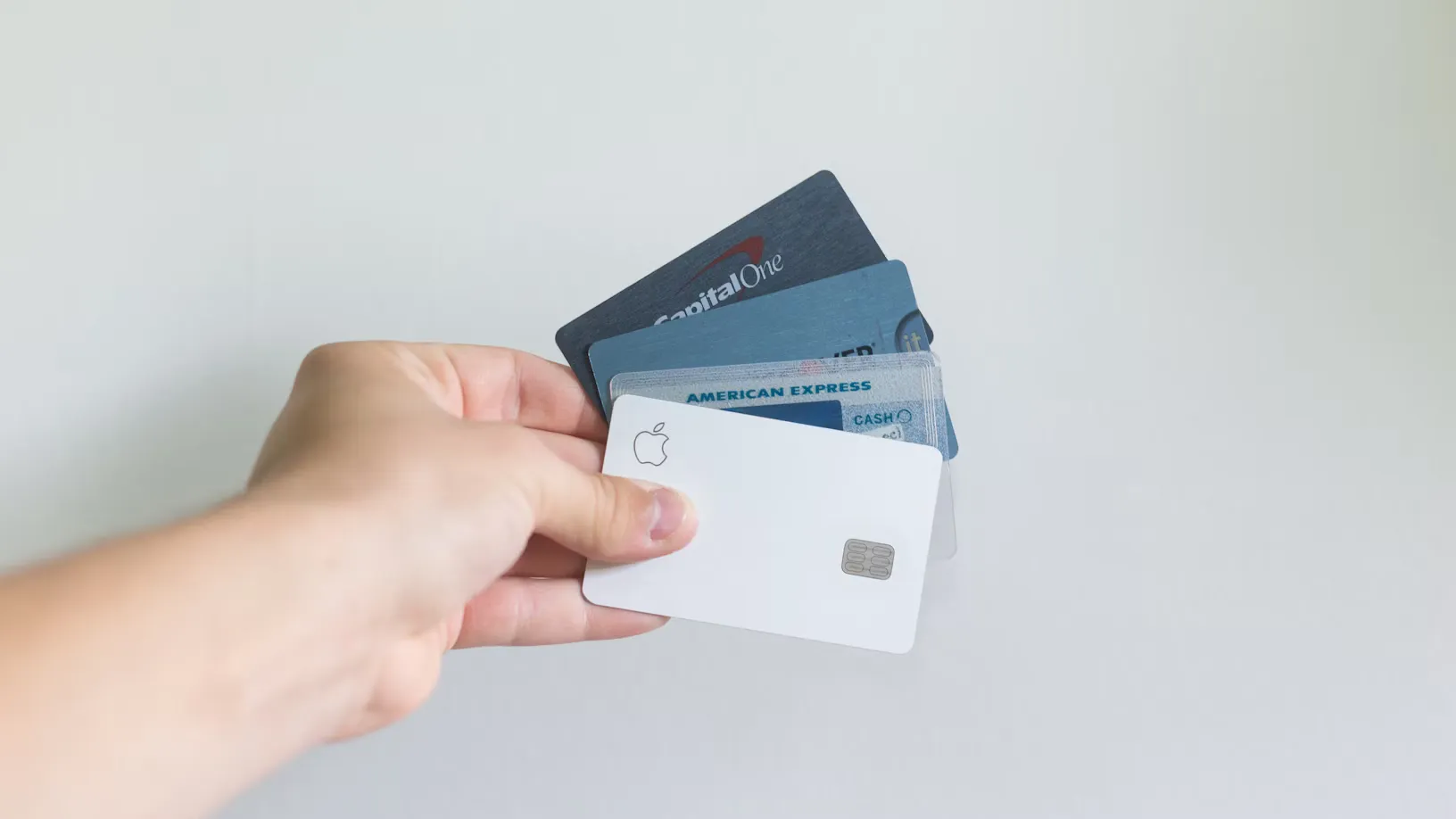


No-annual-fee airline credit cards are entry cards for major U.S. carrier loyalty programs. Cardholders earn miles on spending and pay no yearly fee. Priority boarding is not included. A free checked bag is either absent or unlocked only after a spending threshold.
This comparison uses issuer terms as of October 2026. The set is one no-annual-fee personal card from each of United, American, and Delta. Each card has a $0 annual fee. The cards are the United Gateway Card from Chase, the Citi AAdvantage MileUp Card, and the Delta SkyMiles Blue American Express Card.
How Earning Structures Differ
Each card uses a tiered multiplier. Bonus categories and the base rate differ. Rates below are the issuer schedules as of October 2026.
United Gateway Card
Chase lists these card earn rates:
- 2x miles on eligible United purchases
- 2x miles at gas stations
- 2x miles on local transit and commuting, including rideshare, taxis, trains, tolls, and mass transit
- 1x mile on all other purchases
Eligible United flights also earn miles from United on the primary cardmember’s fare. Chase states a 5x total on those flights. The 5x is 3x miles from United on the fare plus 2x miles from the card on the purchase.
Mileage earning differs for Basic Economy or base fares. After $10,000 in calendar-year purchases, Chase states an 8x total. The 8x is 6x miles from United on the fare plus 2x miles from the card.
Citi AAdvantage MileUp Card
Citi lists these earn rates:
- 2x miles at grocery stores, including grocery delivery services
- 2x miles on eligible American Airlines purchases
- 1x mile on all other purchases
Delta SkyMiles Blue Amex
American Express and Delta list these earn rates:
- 2x miles on eligible Delta purchases
- 2x miles at restaurants worldwide, plus takeout and delivery in the U.S.
- 1x mile on all other purchases
United attaches 2x to transportation categories. American attaches 2x to groceries. Delta attaches 2x to restaurants. All three list 2x on purchases with their own airline.
How Airline Benefits Compare
No-annual-fee cards typically omit core travel benefits. None of these three cards includes priority boarding. A free checked bag is not automatic on any of them.
Checked Bag Access
| Card | Free Checked Bag |
|---|---|
| United Gateway | Two first checked bags after $10,000 calendar-year spend |
| AAdvantage MileUp | Not included |
| Delta SkyMiles Blue | Not included |
The Gateway waiver is two first standard checked bags on United or United Express flights, after $10,000 in calendar-year spend. The MileUp and Blue cards do not waive bag fees.
Priority Boarding
None of these three cards includes priority boarding. The Gateway Card boards with the assigned group. The MileUp card does not include preferred boarding.
American Airlines lists preferred boarding on the Citi AAdvantage Platinum Select card. The Blue card’s published benefits do not include priority boarding.
In-Flight Savings
All three cards offer an in-flight purchase discount on their own airline:
- United Gateway. 25% back as a statement credit on food, beverages, and Wi-Fi on United-operated flights, and on United Club premium drinks.
- AAdvantage MileUp. 25% savings on in-flight food and beverages on American Airlines flights.
- Delta SkyMiles Blue. 20% back as a statement credit on eligible in-flight food and beverages.
Delta’s credit covers food and beverages, including eligible pre-purchased meals. It does not cover Wi-Fi or other in-flight purchases.
How Foreign Transaction Fees Differ
Foreign transaction fees change the cost of purchases outside the United States.
| Card | Foreign Transaction Fee |
|---|---|
| United Gateway | None |
| AAdvantage MileUp | 3% |
| Delta SkyMiles Blue | None |
The MileUp card charges 3% of the U.S. dollar amount of each foreign purchase. Chase and American Express list no foreign transaction fee on the Gateway Card and the Blue card.
How Redemption Options Differ
Mile redemption paths vary by airline program.
United MileagePlus
Miles earned on the United Gateway Card post to MileagePlus. After $10,000 in calendar-year purchases, the Gateway Card unlocks Cardmember Award Pricing on United flights. Chase states that general members then save 10% or more on those flights booked with miles. Premier members save more.
American AAdvantage
Miles can be redeemed for American Airlines flights, partner airline awards, seat upgrades, car rentals, hotel stays, and vacation packages. The Citi AAdvantage MileUp Card does not include a separate award-pricing discount.
Delta SkyMiles
The Delta SkyMiles Blue card includes Pay with Miles on delta.com for Delta tickets.
American Express states that 5,000 miles take up to $50 off the ticket. That rate is 1 cent per mile at the stated cap. A ticket paid entirely in miles can return less when the fare is not a multiple of $50.
How Status Earning Works
Some airline cards contribute to elite status qualification through spend.
United Gateway
The card earns redeemable miles. It does not earn Premier Qualifying Points, or PQPs, toward United Premier status. United lists maximum PQPs per year as not available on this card.
AAdvantage MileUp
The card earns 1 Loyalty Point for every 1 eligible AAdvantage mile earned from purchases. Loyalty Points count toward AAdvantage elite status thresholds.
Delta SkyMiles Blue
The card earns redeemable SkyMiles. It does not include MQD Boost or MQD Headstart. Card spend on this product does not earn Medallion Qualification Dollars, or MQDs, toward Medallion status. Delta lists those MQD benefits on the Delta SkyMiles Platinum and Delta SkyMiles Reserve cards only.
Among these three, only the AAdvantage MileUp Card earns elite-status credit from card spending.
How Network and Acceptance Differ
Card network affects where the card can be used.
| Card | Network |
|---|---|
| United Gateway | Visa |
| AAdvantage MileUp | Mastercard |
| Delta SkyMiles Blue | American Express |
Chase may issue the Gateway Card as a Visa Signature card or a Visa Platinum card, with different costs or benefits.
How Welcome Offers Typically Differ
Welcome offers change by promotion and by application channel. The figures below are the published offers as of October 2026.
- United Gateway. Chase lists 40,000 bonus miles after $1,000 in purchases in the first 3 months, plus 10,000 bonus miles after an authorized user is added in that window. Chase lists the combined public offer as up to 50,000 bonus miles.
- AAdvantage MileUp. American Airlines lists a $100 statement credit plus 15,000 bonus miles after $500 in purchases in the first 3 months.
- Delta SkyMiles Blue. Delta lists 10,000 bonus miles after $1,000 in eligible purchases in the first 6 months.
Chase states that offers may vary by channel, including online versus a branch.
Tradeoffs and Constraints
No-annual-fee airline cards leave out benefits that the fee-bearing cards in the same lineup include.
What Is Given Up
- A free checked bag on every flight. The United Gateway Card adds two first checked bags only after $10,000 in calendar-year spend.
- Priority boarding
- Lounge access
- A standing award discount. Higher-tier Delta cards list a 15% savings on Delta award tickets booked on delta.com or in the Fly Delta app. The Delta SkyMiles Blue card does not.
What Is Retained
- Mile earning on spending
- An in-flight purchase discount
- A $0 annual fee
- Access to the airline loyalty program
How Each Card’s Bonus Categories Are Set
Each card addresses a different spending profile.
The United Gateway Card is structured around transportation spending. The 2x categories are United purchases, gas stations, and local transit. Spending $10,000 in a calendar year unlocks two checked bags, Cardmember Award Pricing, and the higher United flight mile credit.
The Citi AAdvantage MileUp Card is structured around grocery spending, including grocery delivery. Purchases also earn Loyalty Points toward AAdvantage status.
The Delta SkyMiles Blue Card is structured around restaurant spending, including U.S. takeout and delivery, plus Delta purchases. Pay with Miles applies 5,000 miles for up to $50 off a Delta ticket on delta.com.
All three cards charge a $0 annual fee and earn miles in one airline program.