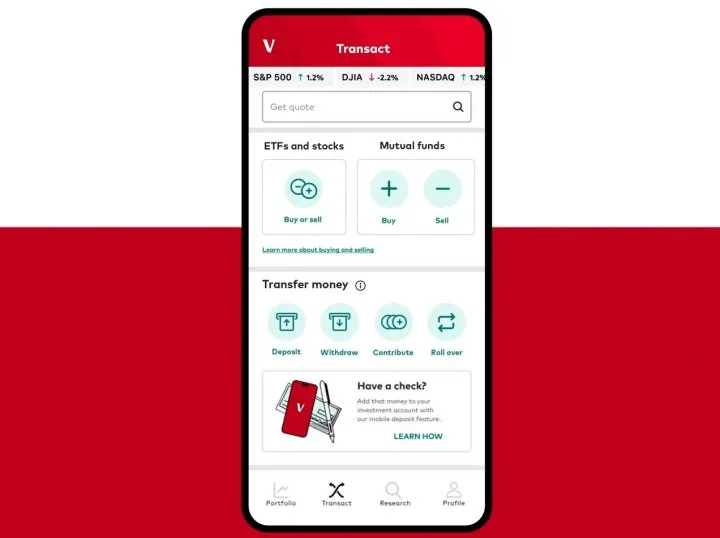


This comparison covers four U.S. broker-dealers with money.wiki reviews. Each lists a $0 commission on many U.S. stock and ETF orders. The four are Robinhood, Webull, Public, and Moomoo.
Full-service firms and non-U.S. apps are outside this set. Figures below come from firm disclosures reviewed in October 2026, and from the Robinhood and Webull reviews refreshed the same month.
What features do these four brokers share?
Each firm lists a $0 commission on U.S.-listed stocks and ETFs for its default retail route. Public adds $0.003 per share when the customer picks the smart-order route or a lit-exchange route.
Each app also offers cryptocurrency through a firm that is not the securities broker-dealer. SIPC does not protect a digital asset that does not qualify as a security. A drop in market price is also outside SIPC protection.
Sell orders can pass through an SEC fee. Robinhood states the rate as of April 4, 2026 as $20.60 per $1 million of principal. Public, Webull, and Moomoo publish that same rate on their fee schedules.
Robinhood does not pass the fee through on equity sales of $500 or less.
The $0 stock line does not describe the crypto firm, the optional route fee, or the SEC sell fee.
How do the platforms differ in focus?
What does Robinhood list on a securities account?
Robinhood Financial LLC takes securities orders, and Robinhood Securities, LLC clears them. The investments help page lists U.S. stocks, ETFs, options, ADRs, and some OTC names. That page states that Robinhood Financial does not support bonds or fixed-income trading.
U.S. stock, ETF, and stock-option commissions are $0. Since January 10, 2025, Robinhood collects $0.04 per options contract. Index options add $0.50 per contract, or $0.35 with Gold.
Gold costs $5 per month or $50 per year.
As of September 17, 2026, Gold lists 3.6% APY on eligible brokerage cash. Margin interest on that date starts at 5.25% on settled debit up to $50,000.
Self-directed IRAs earn a 1% match on eligible contributions, or 3% with Gold. IRAs at Robinhood Strategies do not earn the contribution match.
Stock orders go to market makers under payment for order flow. The customer does not pick the exchange. Crypto orders go to Robinhood Crypto, LLC, and those balances sit outside SIPC and FDIC coverage.
What does Webull charge beyond the stock commission?
Webull Financial LLC holds the U.S. securities account and introduces it to Apex Clearing. The product list includes stocks, ETFs, options, bonds, and Traditional, Roth, and Rollover IRAs. Fractional stock buys start at $1 and run from 9:30 a.m. to 4:00 p.m. ET.
The fee schedule lists $0 commissions on U.S.-listed stocks, ETFs, and options. U.S. Treasury trades list a 0.1% markup of principal. Corporate bond trades list 0.1% of principal, with a $10 minimum.
Outgoing stock transfers are $75, and Apex charges that fee. The margin page dated March 31, 2026 lists a standard annual rate of 8.74% in every published tier. Qualification requires at least $2,000 in equity.
Revenue lines on the fee schedule include payment for order flow, stock loans, interest on free credit balances, and margin interest. Crypto trades through Webull Pay LLC at a 1.00% spread. Paper trading uses live quotes and does not move securities.
Local Webull entities in Singapore, Australia, Hong Kong, and Japan use their own fee schedules. Crypto and futures sit outside SIPC coverage on the U.S. account.
How does Public route a stock order?
Public accounts are introduced by Open to the Public Investing, Inc. Apex Clearing carries them.
The Form CRS dated January 15, 2026 lists U.S. stocks, ETFs, OTC securities, and options. It also lists corporate and U.S. government bonds, margin, and Traditional and Roth IRAs.
The customer can pick a stock route. The wholesale route costs $0, and Public receives payment for order flow on it. The smart-order route and the lit-exchange route cost $0.003 per share.
Public states that the smart route does not pay wholesaler payment for order flow. Stock and ETF options are $0. Index options are $0.35 per contract.
Bond orders use a markup or markdown, not payment for order flow. Ultrashort Treasuries list $0.100 per $100 of par. Longer Treasuries list $0.250 per $100.
A separate Jiko Securities account can buy 6-month Treasury bills. Non-API crypto orders above $500 list a 1.25% Zero Hash fee. Public Premium is $10 per month or $96 per year.
The monthly fee is waived at a combined balance of at least $50,000. Extended-hours stock trades cost $2.99 unless Premium waives that fee. An outgoing ACATS transfer is $100.
The route setting changes both the stock fee and whether wholesaler payment for order flow applies.
What does Moomoo list on its U.S. fee schedule?
Moomoo Financial Inc. is the U.S. broker-dealer, and its disclosures identify it as a FINRA and SIPC member. The U.S. fee schedule lists $0 commissions on stocks, ETFs, and equity options for U.S. residents in U.S. markets.
Equity options still list an OCC fee of $0.025 per contract and an options regulatory fee of $0.0122 per contract. Index options list a $0.50 contract fee. Long U.S. stock margin is listed at 6.8% per year, and the schedule says that rate can change without notice.
Level 2 quotes, including NYSE Arcabook, are free when the 30-day average account value is at least $100. The disclosure says other conditions also apply.
Paper trading is offered, and the paper rules list different commissions from the live schedule.
Crypto trades through Moomoo Crypto Inc., NMLS ID 2287314, at a 0.49% transaction fee. Those balances are not SIPC or FDIC insured.
The stock, options, and crypto tables reviewed in October 2026 do not list a Treasury or corporate-bond line. They also do not state a payment-for-order-flow rate.
A $0 options commission on this schedule still leaves clearing and regulatory amounts on the confirm.
How do the fee models and routing compare?
The default U.S. stock and ETF commission is $0 at all four firms. Public’s other two stock routes are the priced exception.
Robinhood, Webull, and Public’s wholesale route name payment for order flow as a revenue line. Moomoo’s reviewed U.S. fee tables do not state a rate. Margin interest is a separate line.
Robinhood’s published schedule as of September 17, 2026 starts at 5.25% up to $50,000 of settled debit. Webull’s standard published rate is 8.74%. Moomoo lists 6.8% for long U.S. stocks.
Public ties its rate to the debit balance and the upper limit of the federal funds target range. That upper limit is listed at 4.00% as of September 17, 2026.
Robinhood Gold is $5 a month or $50 a year. Public Premium is $10 a month or $96 a year. Webull’s Premium row lists lower margin rates than the 8.74% standard row.
This page does not restate a Webull subscription price. The wider revenue pattern is in How Do Commission-Free Brokers Make Money?.
The commission line is shared. The route fee, the margin rate, and the crypto charge are not.
What products are available on each platform?
The table records items stated on the October 2026 pages and on the refreshed Robinhood and Webull reviews. “Not listed” means those pages did not state the item.
| Item | Robinhood | Webull | Public | Moomoo |
|---|---|---|---|---|
| Stock and ETF commission | $0 | $0 | $0 wholesale, $0.003 per share on other routes | $0 for U.S. residents |
| Crypto firm | Robinhood Crypto, LLC | Webull Pay LLC | Zero Hash LLC | Moomoo Crypto Inc. |
| Crypto charge named | Outside the securities account | 1.00% spread | 1.25% above $500 on non-API orders | 0.49% transaction fee |
| Bonds or Treasuries | Not offered | 0.1% Treasury markup; corporate 0.1%, $10 minimum | Markups on the fee schedule | Not listed |
| Named paid plan | Gold, $5 a month or $50 a year | Premium row on the margin schedule | Premium, $10 a month or $96 a year | Level 2 data from a $100 average balance |
Robinhood’s investments page says bonds and fixed-income trading are not supported. Webull prices Treasury and corporate bond trades on its fee schedule. Public’s January 2026 Form CRS names corporate and government bonds, plus a separate Jiko account for 6-month bills.
A Public help article dated November 18, 2022 lists a 2.5% fee on each side of a secondary trade in alternative assets. The January 15, 2026 Form CRS brokerage list does not name those assets.
Bond access on one row is not bond access on the next row.
How does the interface affect the experience?
Robinhood sends a securities order to a market maker the customer does not choose. Webull’s screens include charts and indicators such as moving averages and RSI. Nasdaq TotalView sits in Webull Premium.
Public takes orders in the mobile app or on the website, and the stock ticket includes the route choice above. Moomoo ties Level 2 quotes to a 30-day average account value of at least $100.
Webull and Moomoo both offer paper trading. Webull states that paper fills are not in the live queue. Moomoo’s paper rules use different fees from the live schedule.
Only Public’s stock ticket, among these four, posts a customer route choice with a per-share fee.
What protections apply to these accounts?
SIPC protection applies when a member broker-dealer fails and customer cash or securities are missing. The limit is $500,000 per customer, including up to $250,000 for cash. SIPC does not replace a loss from a decline in market price.
FINRA states that brokerage firms doing business with the public are required to be SIPC members. Robinhood Financial, Webull Financial, and Moomoo Financial state that membership on their own disclosures. Public’s Form CRS describes a retail brokerage account at Open to the Public Investing, Inc.
Crypto balances at Robinhood Crypto, Webull Pay, Zero Hash, and Moomoo Crypto sit outside that limit. SIPC says a digital asset that does not qualify as a security is not protected, even at a member firm.
SIPC coverage is a custody rule for a failed member. It is not a figure for the price of a stock or a token.
How are these four brokers regulated?
SEC Rule 606 requires a quarterly public report on routing of held, non-directed orders in NMS stocks and listed options. The report covers payment for order flow. Public’s January 2026 annual disclosure points customers to that report and to a six-month routing report they can request.
The SEC’s 2024 order-execution release states that each broker-dealer must seek the most favorable terms reasonably available under the circumstances. The same release states that Rule 605 and Rule 606 reports do not, by themselves, decide whether a firm met that duty.
Robinhood account opening requires a U.S. legal resident who is at least 18, with a Social Security number and a U.S. address. Moomoo’s U.S. fee schedule applies to U.S. residents. Webull’s non-U.S. entities follow the local entity’s rules.
These schedules are U.S. broker-dealer disclosures. A login in another country can be a different firm.
What are the tradeoffs, risks, and limitations?
Route control is uneven. Public posts three stock routes and a fee for two of them. Robinhood sends securities orders to market makers the customer does not select.
In past periods of extreme volatility, clearinghouses raised capital requirements and Robinhood restricted trading in some names. That limit is separate from SIPC coverage of a failed broker.
Transfer charges differ where a schedule states them. Public lists $100 for an outgoing ACATS transfer. A full outgoing transfer liquidates fractional shares of stock and bonds, and crypto stays in the crypto account.
Webull lists $75, charged by Apex. This page does not restate an outgoing fee for Robinhood or Moomoo. Margin is a debit the customer still owes.
Robinhood Financial states that it may sell securities, with or without prior approval, if equity falls below maintenance requirements. The published annual rates above are 5.25%, 8.74%, and 6.8% for the named Robinhood, Webull, and Moomoo tiers. Public does not publish one flat rate.
A $0 stock commission leaves out the route fee, the crypto charge, the data rule, and the outgoing transfer fee.
Common questions
What fees remain when the stock commission is $0?
Regulatory sell fees, options contract fees, and crypto charges still appear on the schedules above. Public adds $0.003 per share on two stock routes and $2.99 on an extended-hours stock trade unless Premium waives that trade fee. Gold and Public Premium are separate subscription prices.
What does an outgoing transfer cost?
Public lists a $100 outgoing ACATS fee and says a full transfer often takes 7 to 10 business days. Webull lists $75, charged by Apex. This page does not restate an outgoing transfer fee for Robinhood or Moomoo.
What does SIPC cover if the broker fails?
SIPC can advance up to $500,000 for missing securities and cash at a member firm, including up to $250,000 for cash. It does not cover a market-price decline. It does not cover a crypto asset that does not qualify as a security.
Common misconceptions
“A $0 commission means the broker has no revenue.” Robinhood, Webull, and Public’s wholesale route name payment for order flow. The disclosures above also name margin interest, a crypto charge, or both. The cost sits on a different line from the stock commission.
“SIPC covers crypto on these apps.” SIPC’s coverage page excludes a digital asset that is not a security. Each firm on this page places crypto at a separate company from the securities broker-dealer.
“Paper trading fills the way a live order fills.” Webull states that paper fills are not in the live queue. Moomoo’s paper rules list different fees and a simplified settlement cycle. A paper ticket does not move securities in the brokerage account.