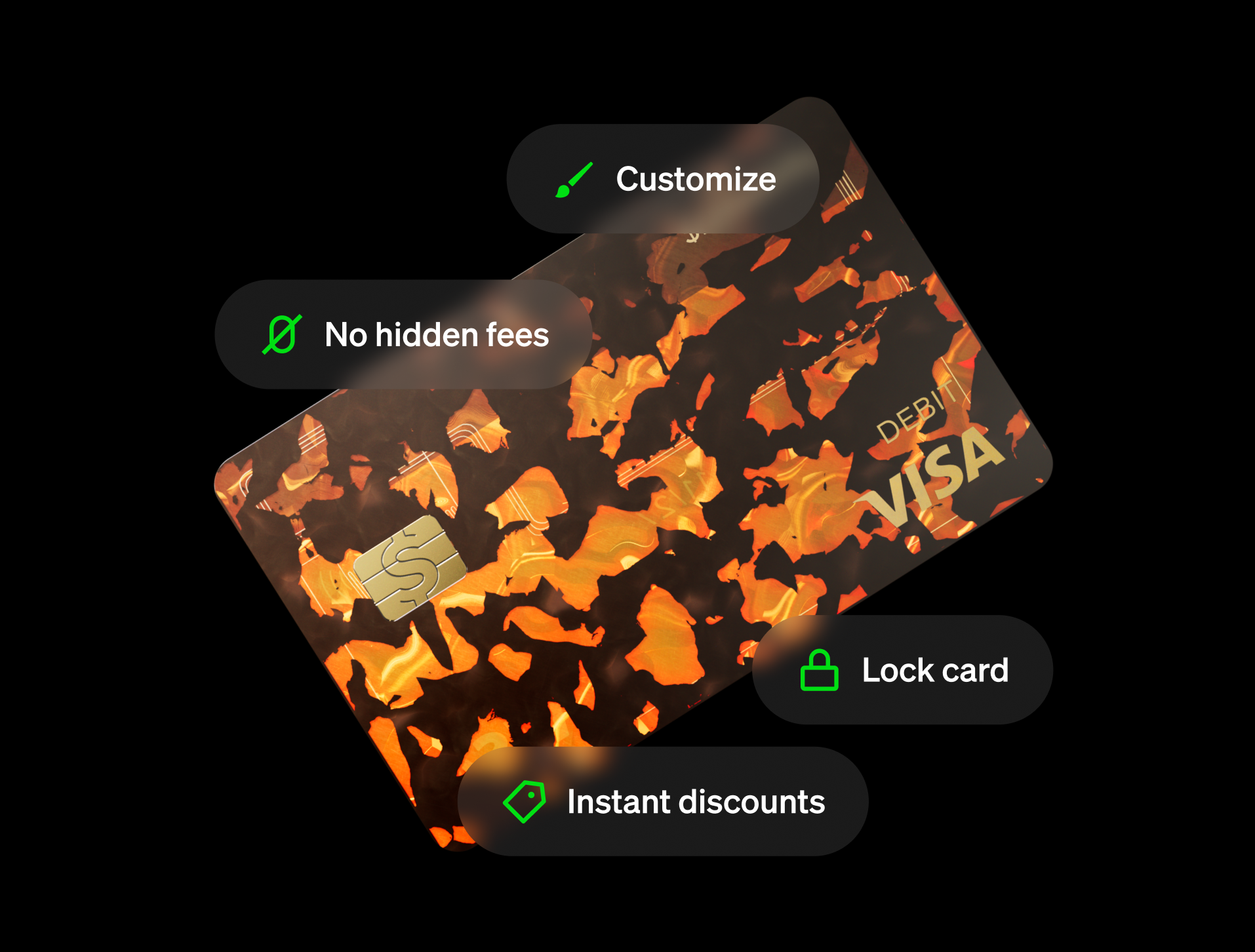
The Cash App Card (officially known as the Cash App Visa Debit Card) is a customizable debit card linked to a user’s Cash App balance. Unlike traditional bank debit cards, the Cash App Card is part of a “super-app” ecosystem that integrates peer-to-peer (P2P) payments, equity investing, and Bitcoin custody into a single interface.
The card is issued by Sutton Bank or Lincoln Savings Bank and operates on the Visa network.
At a glance
- Issuer: Sutton Bank or Lincoln Savings Bank.
- Network: Visa.
- Rewards: “Boosts” (Instant merchant-specific discounts).
- Crypto Access: Integrated Bitcoin spending and “round-ups.”
- Annual Fee: $0.
The “Boost” reward mechanism
The primary differentiator of the Cash App Card is the Boost system. Unlike traditional rewards that accrue points or cashback over a billing cycle, Boosts provide instant discounts at the point of sale.
- Selection Mechanic: Users must manually select and “apply” a Boost within the app before making a purchase. Only one Boost can be active at a time.
- Instant Settlement: If a user has a “10% off DoorDash” Boost enabled and spends $20, the transaction clears for $18. The discount is applied immediately during authorization.
- Dynamic Inventory: Boosts are not permanent; they rotate based on merchant partnerships and user spending habits. Typical categories include coffee shops, ride-sharing, and grocery stores.
Bitcoin integration and spending logic
Cash App was an early adopter of Bitcoin integration, and the Cash Card facilitates several “crypto-to-fiat” mechanics.
- Bitcoin Round-ups: Users can opt to “round up” every card purchase to the nearest dollar, with the change automatically purchasing Bitcoin.
- Bitcoin Boosts: Some Boosts allow users to earn Bitcoin back instead of a fiat discount (e.g., “Earn 3% worth of Bitcoin on any purchase”).
- Indirect Spending: While the card does not directly “swipe” Bitcoin (it swipes the USD balance), the App allows for near-instant liquidation of BTC to the USD balance to fund card transactions.
Direct Deposit and Banking replacements
Cash App has introduced several features designed to move the app from a “wallet” to a “bank account.”
- Routing and Account Numbers: Each Cash App account includes a unique routing and account number, allowing for direct deposit of paychecks.
- Fee Waivers: Users who receive $300 or more in direct deposits per month often qualify for ATM fee reimbursements (up to 3 withdrawals per month).
- Savings Vaults: Standard balances can be moved into separate “savings” buckets within the app, which may earn interest depending on the user’s direct deposit status.
Costs and fee structure
- ATM Fees: Cash App charges a $2 fee for all ATM withdrawals (plus any fee charged by the operator). This is waived for users with qualifying direct deposits.
- Customization: While the standard black card is free, certain premium designs or laser-etched metal cards carry a one-time fee (typically $5 to $50).
- International Transaction Fees: Cash App does not currently charge a foreign transaction fee for most international purchases, making it a competitive travel card in the no-fee segment.
Eligibility and Constraints
- Residency: Limited to the U.S. and the UK (with differing feature sets).
- Age: Supports users as young as 13 with parental sponsorship and account linkage.
- Limits: Spending and withdrawal limits scale based on the user’s identity verification status.
See also: Venmo Debit Card Review, PayPal Debit Card Review, Digital Wallet Comparison