
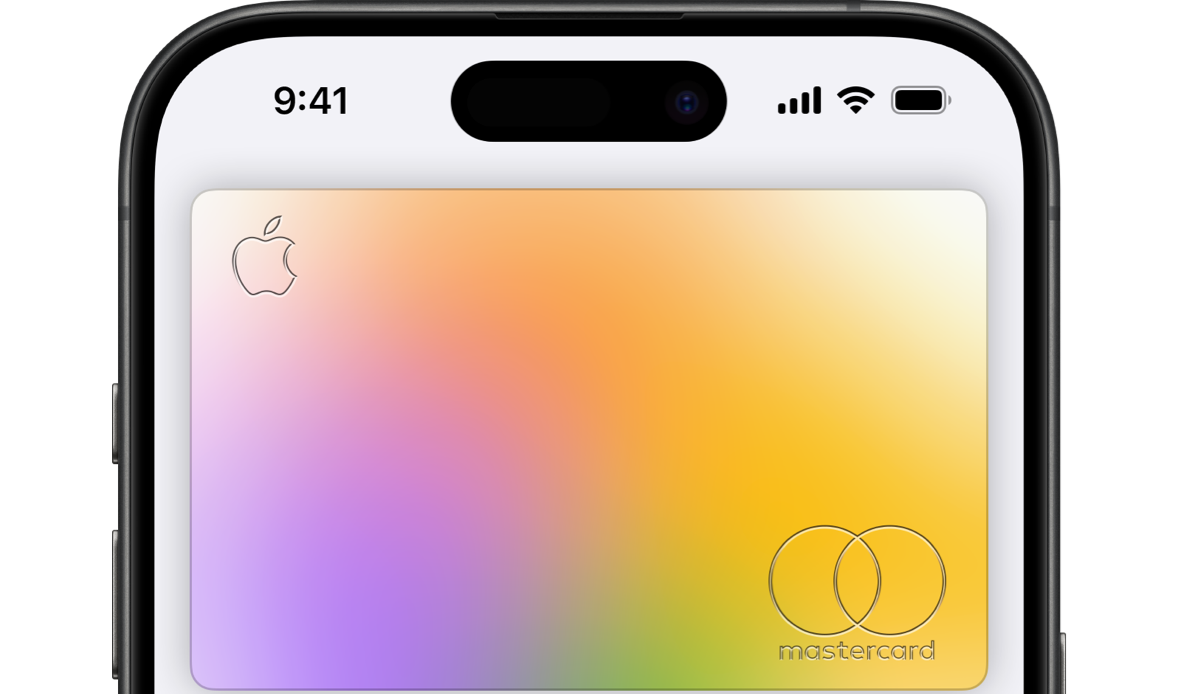
The Apple Card is a credit card issued by Goldman Sachs Bank USA that is designed to integrate with the iOS ecosystem. While it functions as a Mastercard credit product, its management and rewards systems are primarily accessed through the Apple Wallet app on iPhone. This design allows the platform to automate spending categorization and provide immediate rewards through a system called Daily Cash.
At a glance
- Issuer: Goldman Sachs Bank USA (Mastercard network).
- Rewards: Tiered cashback (1%, 2%, 3%) known as Daily Cash.
- Fees: No annual, late, foreign transaction, or over-the-limit fees.
- Management: Exclusively through the Apple Wallet app on iPhone.
- Safety: Physical card has no visible numbers; digital version uses device-specific PANs.
How the Apple Card integrates with the Mastercard network
The Apple Card operates on the global Mastercard payment network, allowing it to be accepted at millions of merchants worldwide. However, the legal and financial responsibility for the card lies with Goldman Sachs Bank USA, the card’s issuing bank. Goldman Sachs handles the underwriting process, which determines whether an applicant is approved and what their specific interest rate and credit limit will be.
Unlike traditional credit cards that may have complex bank-branded interfaces, the Apple Card uses Apple’s technology to simplify the relationship between the cardholder and the lender. As of 2026, the partnership remains focused on transparency, but users should be aware that all credit decisions and debt obligations are governed by Goldman Sachs’ internal risk models and federal banking regulations.
Why the Daily Cash rewards mechanism uses tiers
The Daily Cash system provides cashback based on the payment method and the participating merchant. This structure is designed to incentivize the use of Apple Pay over physical card transactions.
What causes the 3% rewards tier
The 3% tier is restricted to direct purchases from Apple and a rotating list of partner merchants when using Apple Pay.
- Apple Direct: Purchases at Apple Stores, Apple.com, the App Store, and Apple services (e.g., iCloud, Apple Music) earn 3%.
- Merchant Partners: Apple maintains agreements with specific retailers to offer higher rewards. As of early 2026, these include Nike, Uber, Walgreens, Exxon Mobil, and Ace Hardware.
How the 2% and 1% tiers are applied
All other purchases made through Apple Pay—whether in-app, online, or in physical stores with contactless terminals—earn 2% Daily Cash. If a merchant does not accept Apple Pay and the user must use the physical titanium card or the virtual card number, the reward rate drops to 1%. This difference reflects the platform’s goal of moving transactions into the more secure and data-rich Apple Pay environment.
How Daily Cash is settled and redistributed
One of the defining mechanisms of the Apple Card is the speed at which rewards are credited. Unlike many credit cards that wait until the end of a billing cycle or a specific redemption threshold, Daily Cash is typically paid out within 24 hours of a transaction posting.
The Apple Cash bridge
Daily Cash is deposited into the user’s Apple Cash balance in the Wallet app. This balance is managed by Green Dot Bank. From here, the user can:
- Redeem for credit: Apply the cash directly to their Apple Card balance to reduce debt.
- Transfer to savings: Automatically move Daily Cash into an Apple Savings account (provided by Goldman Sachs) to earn interest.
- P2P Transfers: Send the money to other iPhone users via iMessage.
- Traditional Spend: Use the balance for purchases anywhere Apple Pay is accepted.
If a user returns a purchase, the Daily Cash earned for that transaction is reversed from their balance. If the balance is insufficient, it may result in a negative Apple Cash balance until more rewards are earned or funds are added.
Why the Apple Card has no traditional fee structure
Apple and Goldman Sachs have structured the card to remove most common consumer fees, distinguishing it from traditional “premium” credit products.
Interest as the primary cost
While there are no annual fees, late fees, or foreign transaction fees, the card generates revenue through interest charges (APR) on balances carried month-to-month. The APR is variable and is based on a combination of the U.S. Prime Rate and the user’s creditworthiness. As of 2026, users receive a clear “interest estimator” in the app that shows exactly how much interest they will pay based on their planned payment amount.
Late payment consequences
Although there is no “late fee” in terms of a flat dollar penalty, failing to pay on time has consequences. Interest continues to accrue on the outstanding balance, and the delinquency is reported to credit bureaus, which can lower the user’s credit score. The lack of a fee does not imply that on-time payments are not legally required.
How the security model protects digital transactions
The Apple Card uses a hardware-based security model that differs from traditional plastic credit cards with embossed numbers.
Device-Specific tokens
When a user adds an Apple Card to their iPhone, a unique Device Account Number (token) is created. This number is stored in the Secure Element, a dedicated chip on the device. When a payment is made through Apple Pay, the actual card number is never shared with the merchant. Instead, a one-time dynamic security code is used to authorize the transaction.
The numberless physical card
The physical titanium card has no card number, CVV, or expiration date printed on it. If the card is lost, it cannot be used for online purchases or unauthorized transactions as easily as a traditional card. If a user needs a card number for a website that does not support Apple Pay, they can view a virtual number within the Wallet app, which can be rotated (changed) at any time to prevent fraud.
What constraints apply to an ecosystem-linked credit card
The utility of the Apple Card is significantly limited by its dependence on Apple hardware and software.
iPhone requirement
The card cannot be managed or even applied for without a compatible iPhone. Users who switch to Android or another operating system will lose the ability to manage their account through the app, though they can still access a 1.25% rewards rate through a web interface in some jurisdictions.
Integration with other neobanks
Users who prefer to consolidate their finances can compare the Apple Card’s rewards with broader neobank ecosystems. While the Apple Card is a credit product, its tight integration with digital banking tools like the Apple Savings account mimics the “all-in-one” experience found at institutions like SoFi.
How credit bureaus and federal laws regulate the Apple Card
As a U.S. credit product, the Apple Card is subject to federal consumer protection laws and standard credit reporting practices.
Regulatory Oversight
Goldman Sachs Bank USA is regulated by the Federal Reserve and the Consumer Financial Protection Bureau (CFPB). The card must comply with the Truth in Lending Act (TILA), which requires clear disclosure of the cost of credit, and the Fair Credit Reporting Act (FCRA), which governs how information is sent to bureaus like TransUnion, Equifax, and Experian.
Credit Reporting
Apple Card activity is reported to all three major credit bureaus. This includes the user’s credit limit, balance, and payment history. Timely payments can help build a positive credit history, while high utilization or missed payments can have the opposite effect. Interest-free installment options for Apple hardware also count toward the user’s total credit utilization.
Common questions about the Apple Card’s mechanism
How is interest calculated if I miss a payment?
Interest is calculated based on your daily balance and your assigned APR. The app provides a visualization that shows the “Interest Charge” for each payment option.
Can I share the Apple Card with family members?
Yes, through Apple Card Family. This allows two people to “co-own” an account, sharing the credit limit and building credit history together. It also allows parents to add older children as authorized users with spending limits.
Does the Apple Card work internationally?
Yes, because it is a Mastercard with no foreign transaction fees, it can be used globally. However, the user should be aware that Apple Pay availability varies by country.
Why certain misconceptions about Daily Cash persist
Misconception: “Daily Cash is just store credit.”
Daily Cash is real currency deposited into an Apple Cash account. It can be transferred to a separate bank account, used to pay off the credit card balance, or spent like any other money.
Misconception: “The 3% rate is universal for Apple Pay.”
The 3% rate only applies to Apple and select partners. Most Apple Pay transactions earn 2%. If you use the physical card, you only earn 1%, which is below the market average for many flat-rate cashback cards.
Misconception: “No fees means it’s cheaper than other cards.”
While “no fees” is a benefit, the interest rates can be high. A user who carries a large balance may end up paying more in interest than they would have in fees on a card with a lower APR.