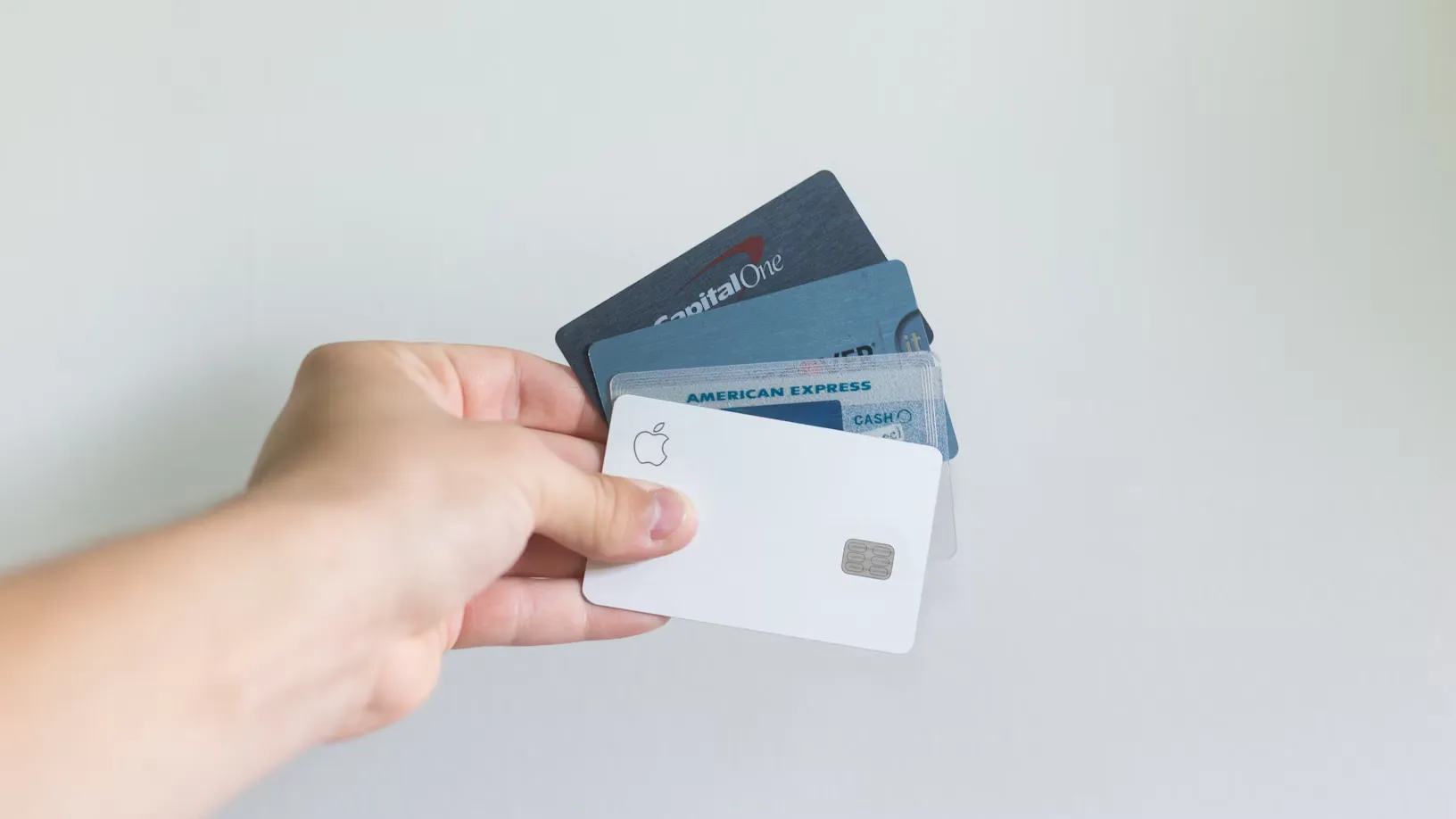


A credit report is the file a lender reads. A credit score is a number calculated from that file. Credit monitoring watches the file and sends an alert after selected changes post.
The alert does not stop a new account from opening. A credit freeze, a fraud alert, and a paid plan do different jobs. The prices in this article are the figures each company published on its own plan page in October 2026.
What does a monitoring alert record?
A monitoring service notifies the subscriber after a change appears on a credit file. It does not approve or deny an application.
Common triggers are a new inquiry, a new account, or a large balance change. A public-record item, such as a bankruptcy, can also be a trigger when the bureau reports it.
myFICO states that not every item on a report is monitored. Alert timing and frequency vary by bureau. The notice can arrive after the bureau has already recorded the change.
The alert describes a file that already changed. It is not a block on the next application.
How do free reports differ from paid plans?
The Consumer Financial Protection Bureau says each person can get a free report from Equifax, Experian, and TransUnion once a week at AnnualCreditReport.com. The same page also states a right to one free report from each company every 12 months.
That weekly file is a copy of the report. It is not an automatic alert. The CFPB says some other “free report” sites require a purchase, or bill a service that has to be canceled. The legally authorized free report is the AnnualCreditReport.com file, or a request by phone at (877) 322-8228.
Experian membership lists a free plan at $0. It includes the Experian credit report and a FICO Score 8. The comparison table marks Equifax and TransUnion reports as not included on that free row.
Paid Experian memberships are Core at $4.99 a month, Money Plus at $14.99 a month, and Premium at $29.99 a month. The same table shows Equifax and TransUnion reports on Premium. Experian CreditLock appears on the paid rows. Experian says CreditLock is a separate service from a security freeze.
myFICO lists a free plan at $0. Coverage is one bureau, Equifax, with monthly updates. Identity monitoring and identity theft insurance are not included.
A free bureau report shows the file on the day it is pulled. A paid plan adds ongoing alerts, extra scores, or an insurance policy.
How does a credit freeze differ from a fraud alert?
The Federal Trade Commission says a credit freeze stops new credit accounts from being opened, including the consumer’s own, while the freeze is on. Placing and lifting it costs nothing. It does not change the credit score. It lasts until it is lifted.
To place a freeze, the consumer contacts Equifax, Experian, and TransUnion. To lift it for a new application, the consumer contacts the bureau or bureaus a lender will use, then can freeze the file again.
An initial fraud alert is also free. It lasts one year and can be renewed. The consumer contacts one bureau, and that bureau must tell the other two. The FTC says the alert tells businesses to check with the consumer before opening a new account. Unlike a freeze, it does not stop a business from seeing the report.
An extended fraud alert lasts seven years. It is for people who have an FTC identity theft report or a police report. An active duty alert lasts one year. Both are free.
A monitoring alert arrives after a change. A freeze limits new-account pulls while it is on. A fraud alert asks the lender to verify identity and still leaves the report visible.
What do the published plan prices include?
myFICO Basic is $19.95 a month. It covers one bureau, Experian, with monthly updates and a FICO Score 8 simulator. Identity monitoring is not included. The page lists up to $1 million in identity theft insurance and 24/7 identity restoration.
myFICO Advanced is $29.95 a month. It lists three-bureau coverage, updates every three months, and identity monitoring. The mortgage-score simulator is not included.
myFICO Premier is $39.95 a month. It lists three-bureau coverage, monthly updates, identity monitoring, and a simulator for FICO Scores 2 and 4, which myFICO says mortgage lenders use.
All three paid myFICO plans renew monthly. myFICO says refunds are not available. Each plan includes FICO Score 8. A lender may use a different score. The insurance is underwritten by American Bankers Insurance Company of Florida, an Assurant company. Coverage may be unavailable in some jurisdictions.
Aura lists an individual plan at $12 a month when billed annually, or $15 billed monthly. That plan lists $1 million in identity theft insurance and three-bureau monitoring for one adult.
The couple plan is $22 a month billed annually, or $29 billed monthly, with $2 million in insurance for two adults. The family plan is $32 a month billed annually, or $50 billed monthly, with $5 million in insurance for five adults. Each of those plans includes a 14-day trial.
Aura names the same identity-theft underwriter, American Bankers Insurance Company of Florida. The footnote says coverage follows the policy and may be unavailable in some jurisdictions.
On the Experian membership table, Core lists identity theft insurance up to $100,000. Money Plus lists up to $500,000. Premium lists up to $1 million. Those caps are Experian’s membership figures, separate from myFICO and Aura.
The dollar amounts are subscription prices and stated insurance caps. They do not describe how fast an alert arrives.
What limits do alerts and insurance policies have?
myFICO’s footnote says monitored data, score updates, and alert triggers vary by bureau. A gap can remain between the bureau’s update and the subscriber’s notice.
Identity theft insurance pays eligible restoration costs under a policy. It does not stop a new account from being opened. Both myFICO and Aura point to policy terms, conditions, and exclusions.
A paid plan is a different product from the freeze the FTC describes. The freeze is free, lasts until lifted, and blocks new-credit access to the file while it is on. The monitoring product notifies the subscriber after selected changes. The insurance product reimburses eligible costs after a covered event, up to the stated cap.