
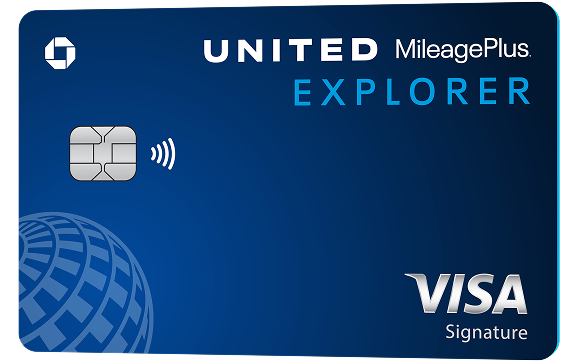
The United Explorer Card is a co-branded frequent-flyer credit card issued by Chase in partnership with United Airlines. It is designed to integrate with the MileagePlus ecosystem, offering specific perks that alter the experience of flying with United and its regional partners.
The card addresses the common scenario of the “semi-frequent” traveler—someone who flies several times a year and seeks to mitigate the friction of airport transit and baggage fees. To see how these benefits compare to other United cards, read our detailed comparison of United credit cards.
What the United Explorer Card Is
The United Explorer Card is a Visa Signature credit instrument. It functions as a gateway to the United MileagePlus loyalty program, where spending is converted into airline miles.
The system is defined by three primary mechanisms:
- Direct Mile Accrual: Purchases generate miles that are deposited into a MileagePlus account.
- Airport Experience Modification: Features like priority boarding and lounge passes change the physical experience of traveling.
- Cost Offsetting: Credits and fee waivers reduce the out-of-pocket cost for baggage and security screenings.
The card has a $0 introductory annual fee for the first year, which increases to $95 in subsequent years.
How the Airport Perks System Works
The United Explorer Card includes several “experience” benefits that trigger automatically when the card is linked to a MileagePlus reservation.
United Club Passes
Cardholders receive two one-time United Club passes every year on their account anniversary. These passes allow entry into United’s network of airport lounges, where amenities like food, beverages, and Wi-Fi are provided. They are digital and can be accessed through the United mobile app and the Chase portal.
Priority Boarding Group 2
The primary cardmember and companions on the same reservation receive priority boarding. This allows them to enter the aircraft in Group 2, which occurs after United Premier members and those in premium cabins, but before general boarding. This mechanism is designed to ensure overhead bin space.
Security Screening Credits
Every four years, the card provides a statement credit of up to $120 for Global Entry, TSA PreCheck, or NEXUS application fees. This credit covers the cost of the application, regardless of whether it is approved. The system triggers on the first qualifying charge that appears on the card statement.
How Miles are Earned and Calculated
The card uses a tiered multiplier system based on the classification of the merchant.
Earning Tiers and Multipliers
- 2 Miles per $1: Earned on United purchases, including tickets, in-flight food, beverages, and Wi-Fi.
- 2 Miles per $1: Earned on dining, including eligible delivery services like DoorDash.
- 2 Miles per $1: Earned on hotel stays when booked directly with the hotel property.
- 1 Mile per $1: Earned on all other eligible purchases.
Miles are transferred to the cardholder’s MileagePlus account once per billing cycle.
Merchant Category Code (MCC) Logic
The system relies on MCCs provided by the merchant’s bank. A restaurant within a hotel may code as a “hotel” rather than “dining,” which could affect the points earned if the categories carry different rates. Direct bookings with United typically trigger the 2x multiplier.
How the Baggage Benefit Functions
The “Free First Checked Bag” benefit is a core mechanical feature of the card, intended to save the flat fee typically charged for domestic luggage.
Activation Requirements
To activate this benefit, the primary cardmember must include their MileagePlus number in the reservation and purchase the tickets directly from United using their Explorer card. The benefit applies to the cardholder and one companion on the same reservation.
Economic Value
If a standard bag fee is $35 each way, the card saves a duo $140 on a single round-trip flight. In this scenario, one trip per year effectively “offsets” the card’s $95 annual fee.
Primary Auto Rental Collision Damage Waiver
Distinct from many mid-tier cards, the United Explorer Card provides “primary” rental car insurance.
Most credit card insurance is “secondary,” meaning it only pays out after the cardholder’s personal insurance has been exhausted. Because the Explorer’s coverage is primary, it pays for damage or theft before the cardholder’s own insurance is involved. This prevents the cardholder from having to file a claim with their personal provider, which can help avoid premium increases.
How the Card Generates Costs and Fees
The card operates within a specific fee structure that influences its long-term cost to the holder.
Annual Fee Progression
The $0 first-year fee lowers the initial barrier to entry. However, starting in the second year, the $95 fee becomes a recurring cost. To remain effectively “cost-neutral,” the cardholder must utilize benefits (like baggage savings or lounge passes) that exceed this $95 value.
Interest and APR Calculation
The card carries a variable APR that applies to any balance not paid in full by the end of the grace period (typically 21–25 days). Interest is calculated on the average daily balance. Carrying a balance is mathematically inefficient, as the cost of interest will quickly outpace the value of the miles earned.
Foreign Transaction Fees
The card does not charge additional fees for purchases made outside the United States. This utilizes the global Visa network’s exchange rates without a surcharge.
Regional and Regulatory Differences
The United Explorer Card is issued by JPMorgan Chase Bank, N.A. and is governed by United States banking regulations, including the Truth in Lending Act (TILA).
Geographic Availability
While United Airlines operates globally, the credit card is primarily available to U.S.-based consumers with a valid U.S. Social Security number. International residents may be able to access United-branded cards through local banks in their respective countries, but those cards function under different fee and multiplier systems.
Federal Security Programs
The TSA PreCheck and Global Entry credits are tied to U.S. government passenger vetting programs. While Global Entry includes benefits for entering the U.S. from abroad, the application and background check are managed by U.S. Customs and Border Protection.
Common Misconceptions About the United Explorer Card
“I get the free bag even if I buy the ticket with another card.” No. To receive the free bag benefit on the Explorer card, the ticket must be purchased using that specific card. This is a technical requirement for the waiver to trigger.
“The lounge passes get me into any airport lounge.” The passes are strictly for United Club locations. They are not valid for partner airline lounges (like Lufthansa or ANA) or third-party lounge networks like Priority Pass.
“I can use the TSA PreCheck credit for someone else.” The credit is applied to the first qualifying charge that appears on the statement. While you can technically pay for someone else’s application, the credit will only trigger once every four years.
“Group 2 boarding means I board first.” Group 2 is “Priority Boarding,” but it follows Group 1 (Premier members) and pre-boarding for those requiring assistance or traveling in Polaris/First class.
“My miles will expire if I don’t use the card.” United MileagePlus miles do not expire, regardless of whether you have the card or not. The card simply serves as a tool to earn them more quickly.