

Krak is a mobile-first financial application developed by the cryptocurrency exchange Kraken. It is designed to function as a “global money app,” merging the features of a digital bank, a crypto wallet, and a cross-border payment service into a single unified interface.
The platform addresses the friction between legacy banking systems and modern digital assets. While the main Kraken exchange is tailored for traders and institutional users, Krak is optimized for retail consumers who need to move value quickly between fiat for daily spending and crypto for long-term holding.
What Krak is structurally
Krak is structured as a custodial financial platform. While it operates on top of the Kraken infrastructure, it is presented as a separate brand and application aimed at a broad audience. User funds are held by Kraken’s regulated entities and partner banks across different jurisdictions.
The application utilizes internal ledgers to facilitate near-instant transfers between Krak users. For external movements, it integrates with traditional banking rails (like SEPA or ACH) and various blockchain networks. This hybrid design allows the app to offer the speed of a digital wallet with the regulatory backing of a major global exchange.
How it works in practice
The user initializes the experience by creating an account and completing a unified KYC process. If the user already has a Kraken account, the two platforms can typically be linked for seamless asset transfers.
Fast Cash-In and Cash-Out
One of Krak’s core mechanisms is the “instant funding” flow. Users can link bank accounts or use debit cards to add fiat currency (such as USD, EUR, or GBP) to their balance. Conversely, “Krak Payouts” allow users to send these traditional currencies to external bank accounts using local clearing networks, often bypassing the higher costs and slow speeds of international SWIFT wires.
Spending and Cards
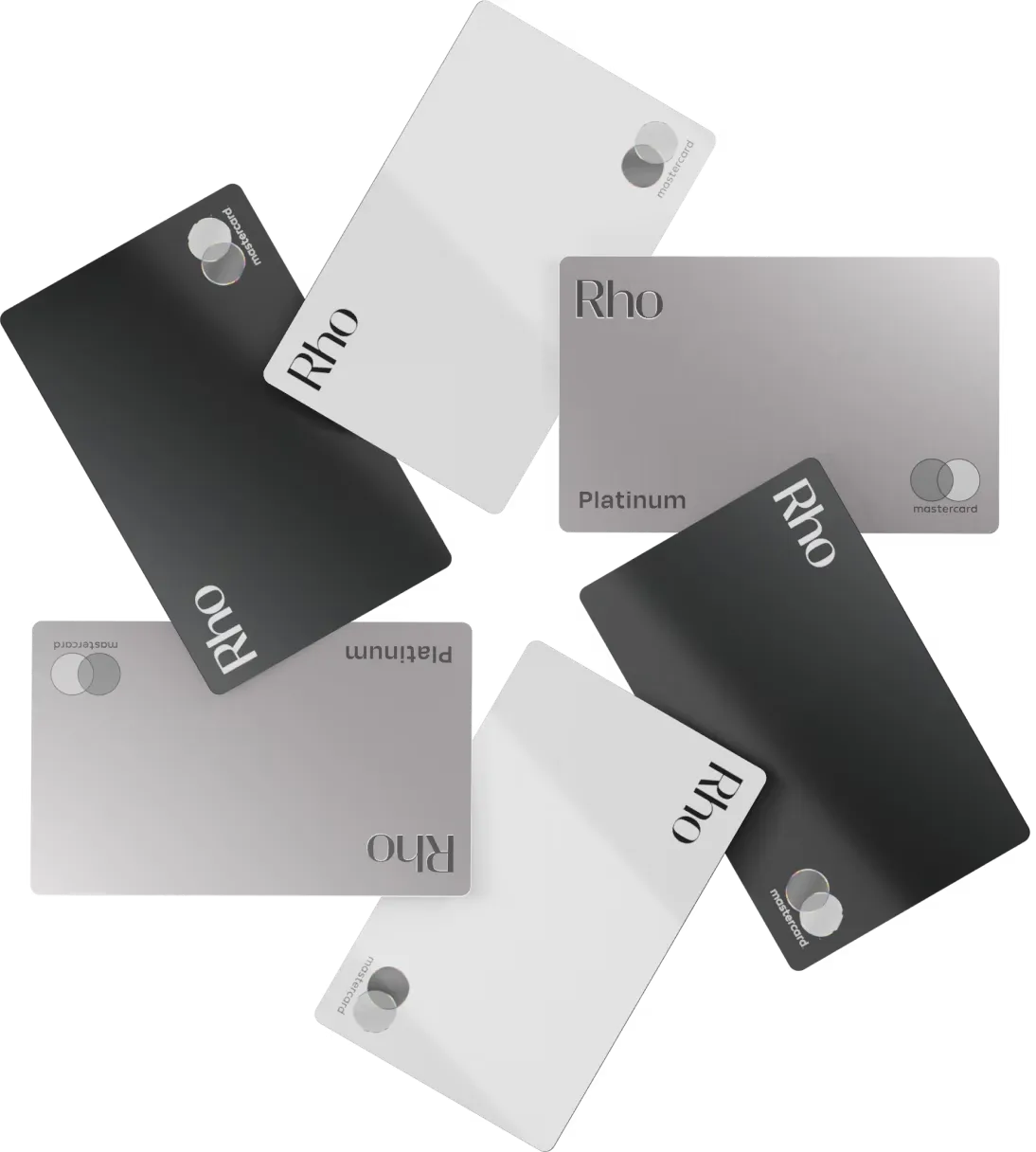
Krak includes a virtual or physical debit card (depending on the user’s region). This card allows users to spend their account balance at any merchant that accepts established card networks. The app provides a “real-time settlement” feature where a user’s crypto or fiat holdings are automatically exchanged to the merchant’s required currency at the point of sale.
Sending and Receiving
Within the app, users can send funds to other Krak users using only a phone number or a “Krak handle.” These transfers are off-chain and instant. For on-chain transfers, the app provides a simplified gateway to send stablecoins (like USDC or USDT) and other major crypto assets to external wallets, managing the underlying network congestion and fee complexity for the user.
Fees and pricing mechanics
Krak utilizes a transparent fee structure but incorporates costs into transaction spreads.
- Subscription: Basic app use is typically free.
- Conversion Spread: When swapping between fiat and crypto, or between different fiat currencies, Krak applies a spread to the market price. This spread is generally lower than traditional banks but higher than the professional Kraken trading interface.
- Withdrawal Fees: Moving funds to an external bank account may incur a small flat fee. Sending crypto on-chain incurs a fee that reflects the current blockchain network cost plus a small platform processing fee.
- Card Usage: There are generally no foreign transaction fees for spending abroad, though third-party ATM operators may charge their own local withdrawal fees.
Limits, eligibility, and availability
Krak is available in most regions where Kraken currently operates, including the US, UK, and European Union. However, specific features like the debit card or direct bank funding are subject to local licensing and vary by country.
Transfer and spending limits are relative to the user’s verification level. New users may be subject to smaller daily funding limits, which scale as the user builds a history of successful transactions and provides additional compliance documentation.
Tradeoffs, risks, or limitations
The primary tradeoff of Krak is its custodial nature. While providing convenience and recovery paths, user funds are held by Kraken. This introduces counterparty risk; if the institution faces systemic issues or regulatory freezes, the user’s access to their global money can be restricted.
Other considerations include:
- Product Separation: Because Krak is a separate interface from the main Kraken exchange, some advanced features (like limit orders or margin trading) are not available. Users needing these tools must navigate between the two platforms.
- Privacy Tradeoffs: As a highly regulated service, Krak requires extensive personal data and monitors all transactions for compliance. This is a significant difference from non-custodial wallets where user anonymity is prioritized.
- Dependency on Card Networks: The utility of the Krak card depends on the acceptance of the underlying Visa or Mastercard network. In regions where these networks are less prevalent, the app’s utility as a “daily driver” is reduced.