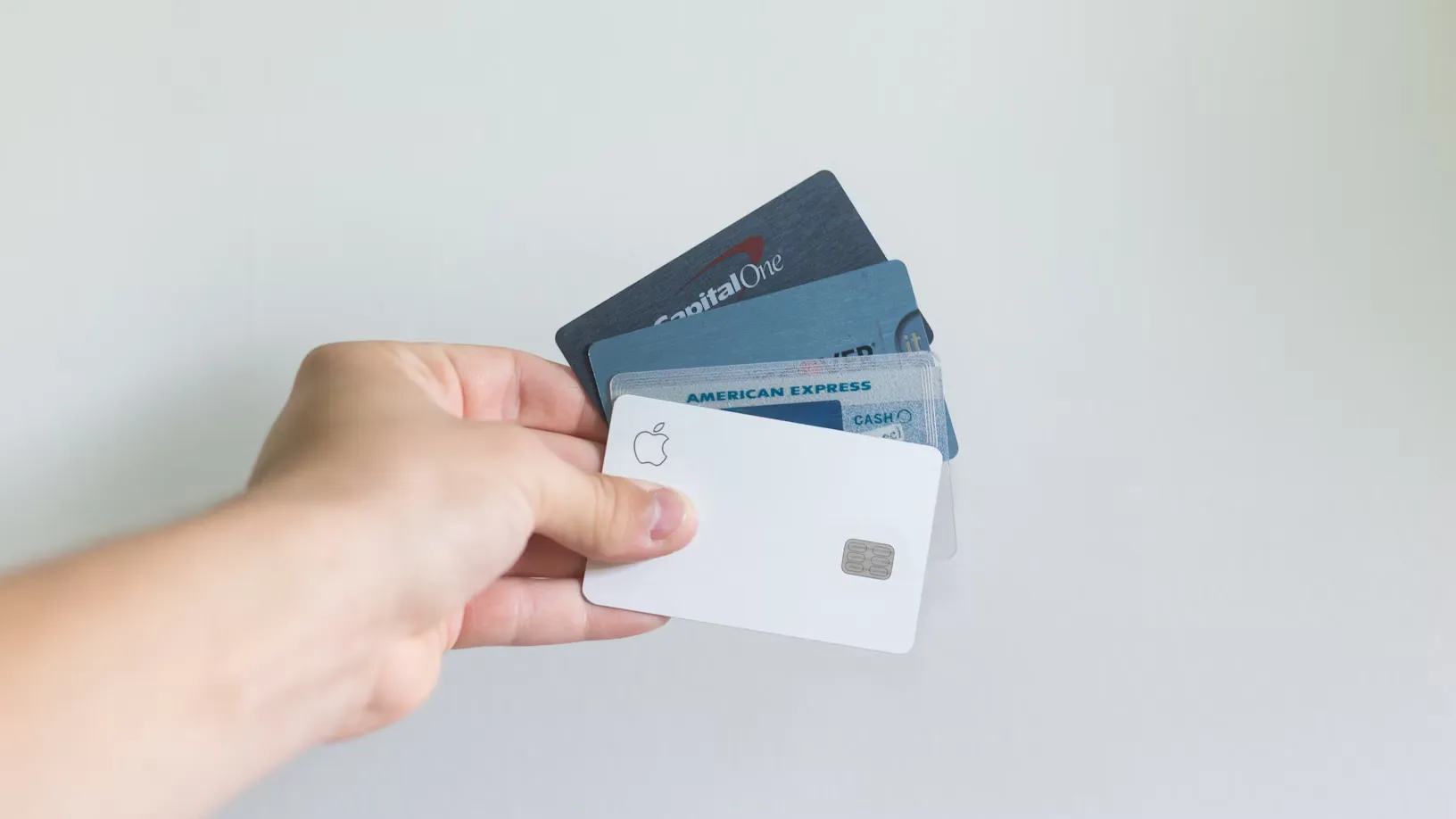


U.S. airline co-branded credit cards link spending to a single carrier’s frequent-flyer program. They typically combine bonus earn on airline purchases, free checked bags, and—at higher fees—lounge access or companion-style certificates.
This comparison covers major personal consumer lines for Delta, United, Southwest, American, and Alaska as of mid-2026. Welcome bonuses change often; annual fees and structural perks are more stable but still reprice. Individual product pages: Delta Gold, Delta Platinum, Delta Reserve, United Club Infinite, Southwest Plus, Southwest Premier, Southwest Priority, Citi AA Executive, Alaska Atmos Summit.
How this comparison is scoped
Cards are grouped by airline family. Columns focus on mechanics: annual fee, lounge access, free bags, and standout certificate or status perks. Signup bonuses are omitted from the main table because public offers rotate; treat any bonus figure as time-limited.
All products below are U.S. consumer cards unless noted. Foreign transaction fees, purchase APR, and late fees follow each issuer’s rates-and-fees table.
Symmetric comparison table (illustrative mid-2026)
| Card family (example tier) | Annual fee (typical) | Lounge access | Free checked bags (cardholder rules) | Standout structural perk |
|---|---|---|---|---|
| Delta SkyMiles Gold (Amex) | $0 first year, then ~$150 | None | First bag (terms apply) | Mid-tier Delta earn + statement credits vary by year |
| Delta SkyMiles Platinum (Amex) | ~$350 | Limited / paid Sky Club patterns by tier | First + second bag patterns | Companion certificate (Main Cabin class; terms apply) |
| Delta SkyMiles Reserve (Amex) | ~$650 | Sky Club access with visit or spend rules | Premium bag / priority patterns | Higher Medallion Qualifying Dollar (MQD) boosts; premium companion rules |
| United Club Infinite (Chase) | ~$695 | United Club membership | Two bags (terms apply) | Premier Access; partner credits stack |
| Southwest Rapid Rewards Plus | ~$99 | None | First checked bag free (cardmember + companions per rules) | Lower-fee Southwest points earn |
| Southwest Rapid Rewards Premier | ~$149 | None | Bags per Southwest card rules | Higher anniversary points / seat-selection style perks |
| Southwest Rapid Rewards Priority | ~$229 | None | Bags per Southwest card rules | Higher Southwest earn tiers; upgraded boarding patterns |
| Citi AAdvantage Executive | ~$450 class | Admirals Club membership | Two bags (terms apply) | Admirals Club for AA-focused flyers |
| Alaska Atmos / Visa Signature tiers | ~$95 class (tier-dependent) | Generally none on mid tiers | Varies | Companion fare / Atmos rewards companion mechanics |
Exact bag counts, companion eligibility, and lounge guest rules are controlled by the airline and issuer; they change. Always read the current benefits guide.
Delta SkyMiles cards (American Express)
Delta’s consumer ladder runs Blue → Gold → Platinum → Reserve, issued by American Express.
As of mid-2026, public Delta/Amex pages list Gold at $0 introductory annual fee the first year, then $150; Platinum at $350; Reserve at $650. Earn rates concentrate on Delta purchases, with elevated multipliers on some everyday categories that differ by tier. Gold emphasizes lower fee and free first-bag value; Platinum adds a companion certificate structure; Reserve layers Sky Club access under published visit or spend conditions and larger MQD boosts toward Medallion status.
Delta cards earn SkyMiles, redeemable primarily on Delta and SkyTeam partners. Miles are not transferable cash; award charts and dynamic pricing set ticket cost in miles.
United MileagePlus cards (Chase)
United’s consumer set includes Explorer-class cards and the premium United Club Infinite card. The Club Infinite annual fee is $695 on Chase’s public pricing as of mid-2026. Its structural centerpiece is United Club membership for the cardmember (guest rules apply), plus free checked bags and Premier Access-style airport services.
United also publishes partner statement credits on the Club card (rideshare, hotels, and similar categories that change by year). Explorer-tier cards use lower fees (often $0 intro then ~$150) with limited Club one-time passes rather than full membership.
Miles post to MileagePlus and redeem across United and Star Alliance partners under United’s award rules.
Southwest Rapid Rewards cards (Chase)
Southwest uses points with relatively transparent dollar-like pricing compared with legacy award charts. Consumer tiers as of 2026 public materials:
- Plus — about $99 annual fee
- Premier — about $149
- Priority — about $229
All three emphasize free checked bags under Southwest’s cardmember rules (often cardmember plus multiple companions on the same reservation). Anniversary point bonuses and earn rates step up with the fee tier. Priority historically adds higher Southwest purchase earn and upgraded boarding benefits.
Southwest does not sell classic third-party alliance award seats the way SkyTeam or Star Alliance programs do. Points stay inside Southwest’s network.
American Airlines AAdvantage cards (Citi)
Citi issues the consumer AAdvantage line, including mid-fee Platinum Select-style cards and the premium Executive card with Admirals Club membership (annual fee in the $450 class on long-standing public terms). Executive-tier benefits focus on lounge access, free bags, and elevated American purchase earn.
Miles redeem on American and oneworld partners. Admirals Club access is the main fee justification versus lower AAdvantage cards that offer bags without lounges.
Alaska Airlines Atmos Rewards cards (Bank of America)
Alaska’s consumer cards (Atmos Rewards branding on newer materials) sit at lower annual fees than lounge-heavy premiums—often near $95 on flagship personal tiers—with a companion fare style benefit that has long defined the product. Exact companion taxes, fare classes, and annual claim rules are in the current Alaska/BofA guide.
Earn concentrates on Alaska purchases plus select everyday categories. Geography matters: Alaska’s network density is highest on the U.S. West Coast and to specific partners, though codeshares expand reach.
Fees and pricing mechanics across airlines
Shared pricing pattern:
- Annual fee — fixed yearly cost for the account and benefit stack.
- Interest — purchase APR applies if balances revolve; airline cards are not designed as cheap installment loans.
- Foreign transaction fees — many airline cards charge 0%; confirm each rates-and-fees table.
- Award economics — free bags and companion certificates are non-mile benefits; mile or point value depends on the ticket redeemed, not a fixed cash rebate.
Issuer risk-based pricing means APR and credit limits vary by applicant.
Limits, eligibility, and availability
Applicants need to pass issuer credit underwriting (Amex, Chase, Citi, or Bank of America depending on the card). U.S. residency and SSN/ITIN norms apply. Authorized user fees differ: some airline cards include free household cards; others charge.
Airline benefits often require the cardmember’s ticket on the same reservation, status matching rules, and sometimes annual enrollment. Lounge access can be capped by visits, spend gates, or guest fees even when “included.”
Tradeoffs and constraints
Carrier lock-in. Miles and elite-qualifying boosts favor one airline. Multi-carrier travelers split value across programs or use flexible transferable-point cards instead.
Fee versus lounge. Club and Admirals products price near $450–$695. Without lounge use, much of the fee buys bags and secondary credits only.
Certificate complexity. Companion tickets and upgrade certificates carry blackout-like constraints, fare-class rules, and taxes. They are not unrestricted free flights.
Program devaluations. Airlines can change award prices, bag fees for non-cardmembers, and elite charts. The card contract does not freeze the airline’s revenue-management system.
Southwest’s closed network. Bag benefits are concrete; alliance redemption flexibility is limited.
Airline cards are structured as loyalty wrappers on revolving credit. Comparing them means lining up fee, bag rules, lounge rules, and certificate mechanics—not a single “best card” score.
Related: Delta SkyMiles cards comparison, Southwest Rapid Rewards cards comparison, Best travel rewards credit cards.