

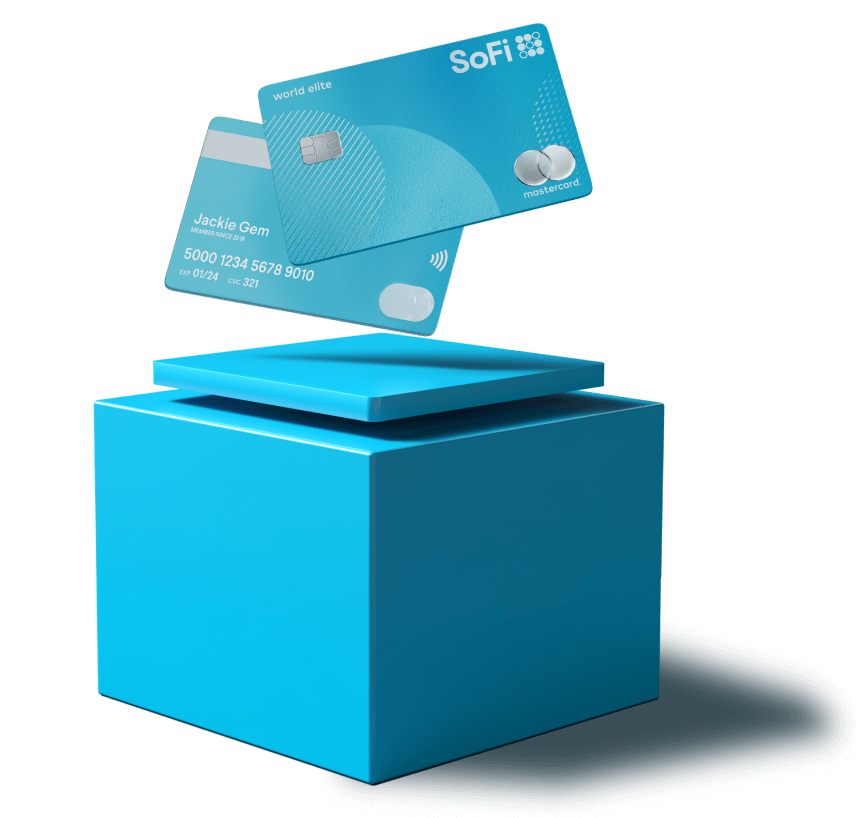
The SoFi Unlimited 2% Credit Card is a consumer credit instrument designed for ecosystem integration. The card is issued by SoFi Bank, N.A., and is managed through the company’s mobile-first interface. Unlike cards that only offer statement credits, this card auto-redeems rewards directly into other ecosystem accounts.
The card functions as a credit builder and cash-flow tool that links purchases to investment and debt accounts. It encourages users to consolidate their banking activity onto the SoFi platform. The bank earns revenue via card interest rates, late fees, merchant interchange fees, and subscription offset options.
How is the SoFi Unlimited credit card structured?
The SoFi Unlimited credit card is structured as a World Elite Mastercard credit account backed by SoFi Bank, N.A. It is not a prepaid debit card or a secured credit card that requires a cash collateral deposit. Instead, it represents a revolving line of credit extended to cardholders based on creditworthiness. The account database integrates with the broader SoFi personal finance suite, including brokerage and checking profiles.
As a World Elite Mastercard product, the card is supported by Mastercard’s payment clearance network. This status provides cardholders with network-wide perks like cell phone protection, rental car insurance, and merchant discounts. The underwriting engine processes applications using a combination of external credit bureaus and internal banking history. This structural integration allows the bank to extend higher credit limits to users who deposit payroll directly.
The platform uses a unified account dashboard to display credit balances, pending transactions, and earned points. This structural setup simplifies credit management by grouping bank assets and credit liabilities together. Customer card funds are managed directly by SoFi Bank, which holds federal banking charters and deposit protections. This ensures that associated checking and savings balances are protected by standard FDIC bank insurance.
How do the rewards and deposit boosts function?
The rewards and deposit boosts function by converting transaction volumes into points redeemable for cash or debt payments. The core rewards engine awards two points for every one dollar spent on all eligible retail purchases. Since each point carries a redemption value of one cent, this represents a base 2% cashback return. Eligible purchases exclude balance transfers, peer-to-peer payments, lottery purchases, and cash advances.
| Reward Category Type | Base Reward Earning Rate | Direct Deposit Boost Rate | Redemption Channel Destination |
|---|---|---|---|
| General Purchases | 2 points per $1 (2%) | 2.2 points per $1 (2.2%) | Savings, Brokerage, or Loans |
| Travel Portal Bookings | 3 points per $1 (3%) | 3 points per $1 (3%) | Savings, Brokerage, or Loans |
The rewards engine includes a conditional multiplier boost for users with active direct deposit relationships. Maintaining a qualifying direct deposit into checking accounts increases the earning rate on purchases to 2.2%. Purchases processed through the SoFi Travel booking portal earn a flat reward rate of 3% cashback. The system automatically filters out cash-equivalent transactions to prevent manufactured spending loops.
The points are accrued daily as transactions settle and are displayed in the user’s rewards wallet. Users can configure auto-redemption rules to move points into designated accounts automatically. For example, the system can transfer points into checking accounts as soon as they reach a $5 threshold. This automated flow reduces manual points management and encourages continuous savings.
How ecosystem redemption paths function?
Ecosystem redemption paths function by transferring point values directly into savings, investing, or loan amortization accounts. Redeeming points into checking or savings accounts completes a real-time ledger transfer within the bank. Once deposited, the funds earn interest at the savings account’s current annual percentage yield. This allows cashback to immediately compound and generate secondary interest income.
For investment-focused users, points can be moved directly into a SoFi Active Invest brokerage account. The points convert to cash buying power, allowing users to buy stocks, exchange-traded funds, or other securities. This bridge integrates consumer credit spending with active equity market participation. The system executes these transfers without charging brokerage fee surcharges or transaction commissions.
A unique redemption path allows cardholders to apply rewards directly to outstanding SoFi loan balances. Points can pay down the principal balance of personal loans, student loan refis, or private student loans. This mechanism accelerates loan amortization and reduces total interest costs over the life of the debt. Redeeming points for non-ecosystem statement credits may result in a lower valuation per point.
What fees and cost structures does the card apply?
The SoFi Unlimited credit card applies a variable interest rate structure paired with conditional monthly fees. The card carries no annual fee for the majority of standard account holders. However, in early 2026, the bank introduced a $10 monthly fee for specific account sub-types. This monthly charge represents a fixed cost that can offset cashback gains for low-volume spenders.
The revolving credit line carries a variable Annual Percentage Rate (APR) based on the Prime Rate. This interest rate is calculated daily and applied to carried balances at the end of the statement cycle. If a cardholder carries a balance month-to-month, interest charges will exceed the value of the rewards. Therefore, users must pay their statement balance in full to benefit from the cashback rewards.
The card does not charge foreign transaction fees on purchases made outside the United States. This features allows cardholders to earn the full 2% cashback margin on international transactions. Late payments and returned payments trigger standard fees up to regulatory maximums. Balance transfers and cash advances incur flat transaction fees of $10 or 5% of the transaction amount.
Who is eligible for the card and what are the limits?
Eligibility for the SoFi Unlimited credit card requires U.S. citizenship or permanent residency and age 18. Applicants must have a valid Social Security Number and a residential street address in the United States. The underwriting engine evaluates credit history, income, and debt-to-income ratios before approving lines of credit. It also considers internal banking patterns, such as historical average balances in checking accounts.
Credit limits are determined during underwriting and typically range from $500 to $25,000. These limits restrict the maximum outstanding balance a cardholder can carry at any given time. Users can request credit limit increases after maintaining six months of on-time payment history. The card does not impose daily spending limits on standard point-of-sale retail transactions.
Point redemption limits require a minimum threshold of 500 points ($5) to execute manual transfers. Auto-redemption rules bypass this minimum, transferring points as they accrue. Staking or investment redemptions are subject to the trading rules and market hours of the NYSE. This means brokerage transfers initiated on weekends will settle on the next market business day.
What are the tradeoffs, risks, and limitations?
Tradeoffs of the SoFi Unlimited card include ecosystem lock-in dependencies and potential monthly subscription fees. To unlock the highest reward boosts, cardholders must route their primary payroll direct deposits to the bank. This dependency makes it difficult for users to switch their primary banking relationship. Additionally, the introduction of a $10 monthly fee reduces net gains for low-volume spenders.
Managing credit through a digital application introduces operational risks during system maintenance windows. If the mobile application experiences outages, users cannot adjust auto-pay rules or redeem cashback points. The customer support system uses automated chatbots for initial troubleshooting, which can delay dispute resolution. Merchant disputes must be submitted through digital forms rather than face-to-face branch banking.
The variable interest rate structure represents a significant financial risk if balances are carried. Because the variable APR is high, carrying credit debt cancels out any cashback earnings. The rewards program is also subject to change, meaning the bank can modify earning rates. Finally, points expire if the associated credit account is closed due to delinquency or inactivity.
Common questions
Do I need a SoFi bank account to get this card?
You do not need a SoFi bank account to apply for or use the credit card. However, you must open a checking or investment account to redeem rewards at the full value. Redeeming rewards outside the ecosystem can result in a lower point conversion rate.
How does auto-redemption work?
Auto-redemption allows the platform to move your points into checking, savings, or brokerage accounts automatically. You configure this rule in the mobile app, and the system executes the transfer as points settle. This maintains a zero-friction path for compounding your cash rewards.
Does the card charge foreign transaction fees?
The card charges zero foreign transaction fees for purchases made internationally on the Mastercard network. This makes it a competitive option for travelers who spend money outside the United States. You will still earn the standard 2% cashback rewards on all international purchases.