
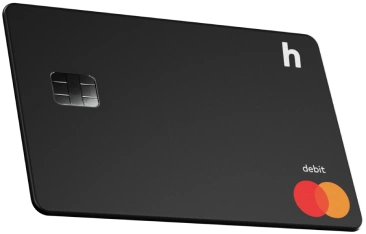
Holyheld is a non-custodial financial platform that bridges private Web3 wallets and European payment infrastructure. Unlike custodial cards that require depositing assets into a platform-controlled account, Holyheld connects existing wallets and spends through the Mastercard network after an on-chain top-up into EUR.
The platform targets crypto-native users in Europe who want to keep control of keys until the moment of conversion.
How is Holyheld architecturally structured?
Holyheld’s primary differentiator is its non-custodial architecture. The platform does not hold user private keys or manage assets in a centralized customer ledger.
- Wallet integration: Users connect existing Web3 wallets via WalletConnect (for example MetaMask, Ledger, or Coinbase Wallet).
- Personal IBAN: Users can receive a personal IBAN for SEPA transfers, including flows such as salary or rent where the partner rails allow it.
- Smart-contract conversion: Top-ups convert selected digital assets into euros loaded onto the Mastercard.
- Multi-chain native: Supported networks include Ethereum and major Layer 2s such as Polygon, Arbitrum, Optimism, and Base.
So what: sovereignty lasts until the user signs a top-up; the card itself only ever holds EUR derived from that conversion.
What are the primary spending mechanisms?
Holyheld operates on a non-custodial debit model with an explicit top-up step. Assets remain in the connected wallet until the user authorizes conversion.
The top-up cycle
- Asset selection: The user chooses token and network inside the Holyheld app.
- On-chain authorization: The user signs a transaction in the connected wallet.
- Fiat loading: Assets convert to EUR at the prevailing rate and load onto the Mastercard.
- Spending: The EUR balance is available on the physical card, virtual card, or Apple Pay and Google Pay.
This sign-to-spend flow adds friction compared with auto-debit custodial cards, and it keeps assets off the card until needed.
What fees, limits, and rewards does Holyheld carry?
Holyheld uses a tiered card system—Classic, Limited Edition, and Metal—that sets cashback and some fee parameters. As of mid-2026, product FAQs describe a one-time account price rather than a monthly subscription.
Fees and pricing mechanics
| Feature | Classic | Limited Edition | Metal |
|---|---|---|---|
| Monthly fee | €0 | €0 | €0 |
| One-time account price | €29 | €99 | €199 |
| Crypto-to-fiat top-up | Typically 0% (gas may still apply) | Typically 0% | Typically 0% |
| FX on account currency | 0% | 0% | 0% |
| International payment FX | 2.5% + €1 | 2.5% + €1 | 2.5% + €1 |
| ATM (domestic / international) | €1 / 2.5% + €2 | €1 / 2.5% + €2 | €1 / 2.5% + €2 |
Exact quotes can vary by path and should be confirmed in-app before large top-ups.
Cashback and rewards
Cashback is paid in USDC on eligible purchases. Rates as of mid-2026 are about 0.5% for Classic and Limited Edition and 1% for Metal. Excluded categories typically include fees, transfers, and cash-like transactions under the cashback terms.
Spending and ATM limits
- Daily spending: Up to about €10,000 for verified users.
- Daily ATM: Up to about €5,000 in published materials.
- Personal IBAN: Incoming SEPA is subject to AML monitoring rather than a simple marketing hard cap.
What operational constraints and risks apply?
Non-custodial design reduces platform insolvency exposure on idle crypto, but it introduces other constraints.
- Geographic restriction: As of 2026, Holyheld is aimed at roughly 30 countries in the EEA plus Switzerland.
- Manual overhead: Users must top up before spend; there is no silent auto-pull from the wallet at the terminal.
- Network fees: On-chain top-ups can incur gas depending on network and route; Layer 2s usually keep that cost low.
- FX outside Europe: The 2.5% + €1 international payment fee makes non-EUR travel spend relatively expensive versus 0% FX cards.
- One-time price: Higher Metal cashback requires a larger upfront account fee.
Common questions about Holyheld
Is Holyheld a bank?
Holyheld is a financial technology platform. Banking-style services and card issuance run through regulated partners. The app and smart-contract layer connect user wallets to those systems.
Can I use Holyheld without a mobile phone?
Holyheld is mobile-first. The app is required to manage the card, initiate top-ups, and view IBAN details in normal use.
Do I need to complete KYC?
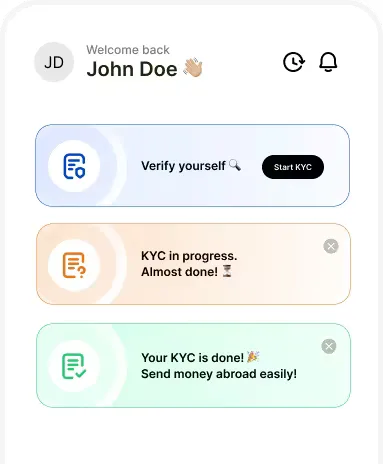
Yes. Identity verification is required to access Mastercard issuance and the personal IBAN under European financial rules.
Common misconceptions
“Non-custodial means I don’t pay fees.” Users still pay network gas where applicable, international FX, ATM charges, and a one-time account price.
“My crypto is on the card.” Crypto stays in the private wallet until conversion. The card holds euros produced by that conversion, not the original tokens.
See also: Bleap Review, Ether.fi Cash Review, Best Stablecoin Cards, How Stablecoin Cards Work