
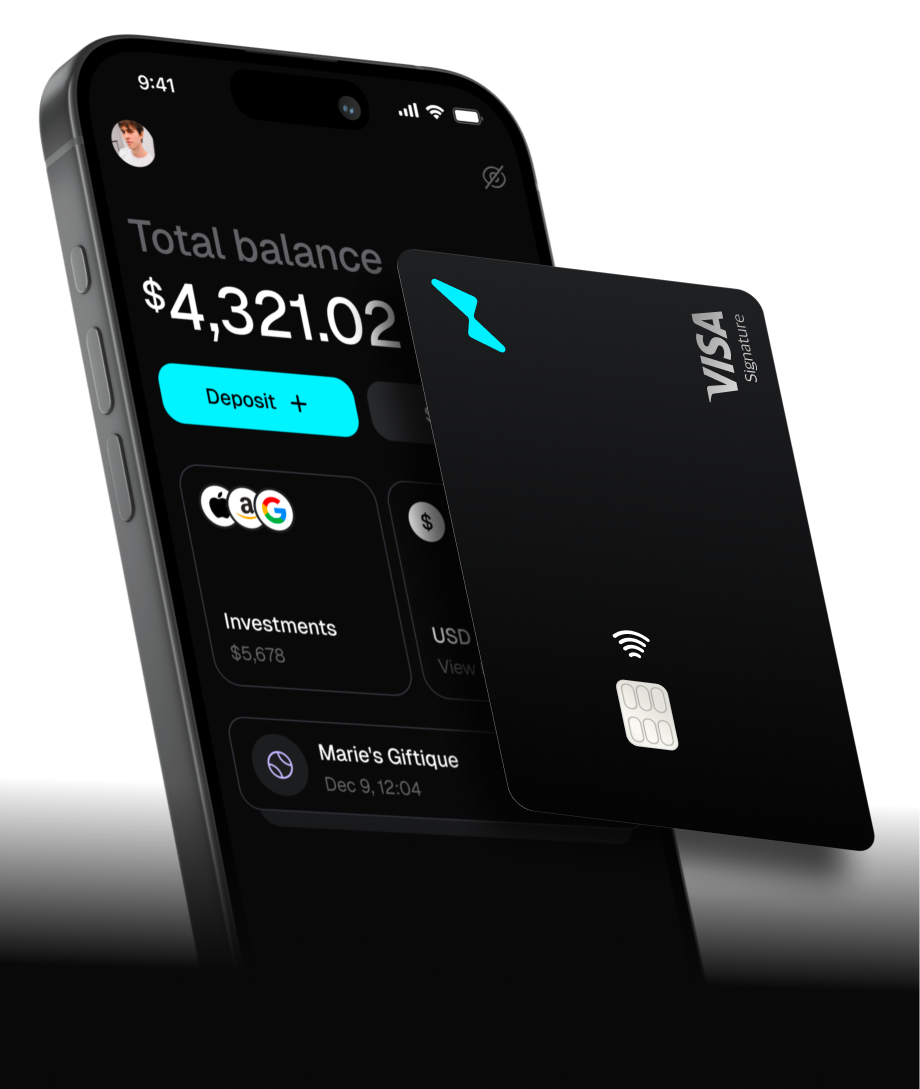
Offramp operates as a specialized bridge between the digital asset ecosystem and traditional financial networks. The platform is designed to provide users with a straightforward mechanism for spending stablecoins in the real world using Visa-backed debit cards.
By emphasizing self-custody and broad token compatibility, Offramp targets users who maintain significant capital on-chain and require high-limit spending solutions. The platform functions as a stablecoin neobank that prioritizes direct wallet integration over centralized account management.
At a glance
- Card Type: US-issued Visa Debit (Virtual and Physical).
- Custody: Non-custodial top-ups from private wallets.
- Network Support: 13+ EVM chains and Solana (via LI.FI).
- Daily Limit: $10,000 USD for standard accounts.
- Key Markets: United States, Latin America (PIX/ARS support), and Europe.
How does the self-custodial wallet integration work?
Unlike centralized exchanges that require users to deposit funds into a platform-controlled account before they can be used, Offramp specializes in top-ups from self-custodial wallets. This architecture allows users to maintain control of their private keys until the moment they decide to load value onto their Visa card.
The platform supports a wide array of wallet interfaces, including MetaMask, Rabby, Phantom, and Ledger (via WalletConnect). This ensures that users can interact with the platform using their preferred security setup without having to move assets between multiple intermediary accounts.
The role of LI.FI and multi-chain support
The technical foundation of Offramp鈥檚 liquidity engine is its integration with LI.FI, a complex bridge and swap aggregator. This integration allows the platform to support top-ups from virtually any token across 13 different Ethereum Virtual Machine (EVM) chains.
When a user initiates a top-up with an idiosyncratic token鈥攕uch as a specific DeFi reward or a governance token鈥攖he LI.FI engine identifies the most cost-efficient path to swap that asset into the required USDC or fiat balance for the card. This process abstracts the technical difficulty of manual bridging and swapping, providing a “one-click” experience for the end user.
High-limit spending and card issuance
Offramp provides both virtual and physical card options, which are issued through a US-based banking partner. This gives the card high international acceptance rates compared to some non-US crypto debit products.
The virtual card is issued instantly upon the completion of identity verification and can be added to mobile wallets like Apple Pay and Google Pay. The $10,000 daily spending limit is a significant differentiator, positioned to accommodate high-net-worth users or business professionals who find standard $1,000-$2,500 limits on other platforms to be restrictive.
How do the fiat banking and local payment rails function?
In addition to card spending, Offramp provides infrastructure for moving value between digital dollars and local bank accounts. This makes it a comprehensive tool for both on-ramping (sending fiat to buy crypto) and off-ramping (liquidating crypto for local currency).
International bank transfers and Virtual Accounts
Users are provided with a dedicated US virtual bank account (routing and account number) that can receive payments via ACH or domestic Wire transfers. When fiat funds arrive in this account, they are automatically converted into digital dollars (USDC) and credited to the user’s platform balance.
This allows global users to receive US-based payments鈥攕uch as freelance income or dividends鈥攁nd immediately have those funds available for crypto spending or further on-chain investment. The system functions as a high-speed bridge between the legacy SWIFT/ACH networks and the 24/7 blockchain environment.
Specialized support for Latin American rails
Offramp has developed deep technical integrations with local payment systems in Latin America, where traditional banking costs are often prohibitive.
- PIX in Brazil: Users can off-ramp digital assets directly to Brazilian bank accounts using the PIX instant payment system. This allows for near-instant liquidity in the local currency (BRL).
- Argentina (ARS) Transfers: The platform supports transfers to Argentine bank accounts, providing a necessary bridge for users in a high-inflation environment who utilize stablecoins as a store of value.
- Regional Payouts: By utilizing local banking partners instead of international wires, Offramp can offer faster and significantly cheaper transfers than traditional remittance providers.
What is the total cost of using Offramp?
Offramp aims for a minimal and transparent fee model, but because it utilizes complex blockchain bridges and legacy payment rails, users must account for several types of costs.
Explicit platform fees
- Account Maintenance: There are no monthly or annual maintenance fees for holding an Offramp account or virtual card.
- Virtual Card Issuance: The initial virtual card is typically issued at no cost to the user.
- Incoming Fiat Deposits: The platform charges a 0.5% fee for incoming ACH or Wire transfers to the US virtual account. This covers the administrative and compliance costs of the fiat-to-crypto conversion.
- Digital Asset Conversion: For card spending, the platform applies a transparent conversion cost of approximately 0.5% when moving between stablecoins and the fiat currency of the transaction.
Secondary and network costs
Beyond the platform鈥檚 commissions, users must consider the costs of the underlying infrastructure:
- Blockchain Gas Fees: Since top-ups occur on-chain from self-custodial wallets, users are responsible for the gas fees associated with the transaction. This cost varies significantly between Ethereum Mainnet (expensive) and Layer 2s like Base or Arbitrum (minimal).
- Foreign Exchange (FX) Fees: A fee of approximately 1.5% applies when spending in currencies other than US dollars. This includes the standard Visa settlement spread and a small platform surcharge for international processing.
- ATM Withdrawal Fees: A 2% fee applies to all physical cash withdrawals at ATMs. Local bank operators may also charge their own independent surcharges.
How is security and regulatory compliance handled?
The platform operates as a regulated Money Services Business (MSB) and must adhere to strict international financial standards. This creates a hybrid model where the assets are self-custodied on-chain, but the entry and exit points are highly regulated.
Identity verification and KYC
All users must complete a Know Your Customer (KYC) process before they can access the US virtual account or card features. This involves providing government-issued identification and proof of residence. This is a mandatory requirement for maintaining a relationship with US banking partners and the Visa network.
The platform uses automated identity verification providers to ensure that onboarding is fast while remaining compliant with Anti-Money Laundering (AML) and Counter-Terrorist Financing (CTF) laws.
Asset security and non-custodial principles
The primary security advantage of Offramp is its “non-custodial” philosophy for top-ups. The platform does not hold a central pot of user funds that could be lost in a massive breach or company failure. Instead, funds only enter the Offramp system when a user actively loads their card or sends a bank transfer.
However, once funds are loaded onto the card or held in the virtual US account, they are managed by the platform’s banking partners. Users are exposed to counterparty risk for these specific, fiat-linked balances.
What are the primary tradeoffs and limitations?
Offramp is positioned as a high-performance tool for on-chain natives, but it introduces specific technical dependencies and geographic constraints.
- Self-Custody Responsibility: Because the platform integrates with private wallets, the user is solely responsible for their wallet security. If a user’s private keys are compromised, any funds held in that wallet are at risk, and Offramp has no ability to intervene.
- Regional Availability: Due to regulatory requirements and international sanctions, Offramp is unavailable in several dozen countries, including China, Russia, Turkey, and portions of Southeast Asia. Users should verify their specific country’s status before attempting to use the service.
- Technical Complexity: While the LI.FI integration simplifies swaps, the initial setup鈥攃onnecting wallets, choosing the right chain for gas efficiency, and managing multi-chain balances鈥攔equires a higher level of technical proficiency than a standard bank app.
Offramp is designed for users who need a high-limit, US-issued Visa card that integrates directly with their decentralized finance (DeFi) activities. Its support for broad token sets and local banking rails in Latin America makes it a functional tool for global digital nomads and on-chain investors who prioritize liquidity and control.